Tuesday, October 10, 2006

1875 map(J)

太政官決定前の1875年に日本の陸軍参謀局が作製した「亜細亜東部輿地図」(国立公文書館所蔵)の複写。左上に竹島と松島の記載があるものの、現在の竹島の位置には何の記載もない/1875 map that was made before 1877 daojoukan decision. On the upper left, "takeshima" and "matsuhima are written, but there is nothing at the place of the present Dokdo/Takeshima

日韓両国が領有権を主張する竹島(韓国名・独島)問題で、明治政府の最高機関だった太政官が「竹島(現在の鬱陵島)と、ほか一島は日本と関係なし」とする内容を記載した1877年の太政官の決定文書について、島根県が設けた竹島問題研究会の座長を務める下條正男・拓殖大教授が、政府が無関係とした中に、現在の竹島は含まれていない、とする見解を明らかにした。

 韓国側は「竹島と、ほか一島」を鬱陵島と現在の竹島と位置づけ、「日本政府が竹島を日本領土ではないと認めていた」として自国領とする根拠の一つに挙げており、その主張に反論する見解として注目を集めそうだ。

 下條氏は先ごろ開かれた研究会で、「太政類典」に収録されている太政官の決定に関する文書を示し、現在の鬱陵島を示す竹島と、松島の記述に着目。竹島に住む動植物などが紹介されているのに続き、隠岐諸島から竹島に向けた同一線上に松島という島があり、米子の商人の大谷家が越後(新潟県)からの帰りに日本海で遭難して漂着したのが、この島(松島)であった、と記していることを明らかにした。

 だが、大谷家に関する文書では、漂着したのは現在の鬱陵島としており、下條氏は「太政官決定の文書にある竹島と松島は、ともに現在の鬱陵島のことが書かれている。当時の政府発行の地図には、現在の竹島の位置に何の記載もなく、竹島と松島が描かれていることから、太政官は、この二つの島は関係なし、としたにすぎない」と指摘。

 「現在の竹島にも触れていない文書を論拠とし、『ほか一島』を現在の竹島とする韓国側の主張には根拠はない」と、韓国側の文献解釈の問題点を明らかにした。山陰中央新聞


http://www.dokdo-takeshima.com/Usando-songdo-doc.jpg
The first link forgmouth provides is a document titled 松島巡視要否ノ議 (Regarding the Need for an Inspection Mission to Matsushima), and was written in 1878. It is a paper submitted by TANABE Taichi of the Foreign Ministry stating his opinion against an inspection to Matsushima. He says that Matsushima is Usan, and since Usan is part of Ulleungdo, then it is a part of Chosun, and so any inspection mission would cause unnecessary friction from Chosun regardless of the motive. It is just one side of the debate that was going on. Unlike Korea, in Japan, there are usually pros and cons to any issue. The background for his opinion is the 1877 Dajyokanrei, the document Koreans love to site, which says that “Takeshima and one other island is not Japan’s territory (竹島外一島 本邦無関).” Koreans claim that the one other island is Dokto, but the appended map (http://toron.pepper.jp/jp/take/hennyu/haaa.html), which the Koreans ironically provided as evidence, repeatedly prints the name of Matsushima (“Matsushima is 80 ris to the NW of Fukuura, Oki” 隠岐後福浦ヨリ松島ヲ距ル乾位八十里許 and “Isotakeshima is 40ris NW of Matsushima” 松島ヨリ磯竹島ヲ距ル 乾位 四十里許). Thus, it naturally follows that Matsushima would have not gone unnamed in the document. Rather, the one other island most likely referred to Jukto on the northeast of Ulleungdo. After this 1877 ordinance, there was a debate in Japan as to the inspection of Matsushima in preparation for its incorporation should it be unowned since it was positioned in a strategically crucial location. The very fact that this debate took place also confirms that Japan did not forfeit Matsushima the year before in the 1877 ordinance. The situation at the time is summarized in the documents below:
International situation: The British Occupation of Komundo
http://www.geocities.com/juliancoy/komundo.htm
The Japanese situation: 松島之議 (Regarding Matsushima) by WATANABE Kouki of the Foreign Ministry in 1878
http://matsu.rcks.kyushu-u.ac.jp/p/study/08takeshima/siryo-list/matsusimanogi.html

Since all of you here can read the first one, I will summarize the second one. It says:
In the past, most records have dealt with Takeshima, but few have discussed Matsushima in depth. There is currently a heated debate over whether Takeshima and Matsushima are one island or two different islands, but none have been conclusive. The Tokugawa shogunate has determined that Takeshima is Ullengdo and is Chosun territory. Thus, if Matsushima is indeed Takeshima, then it is Chosun’s, if not, then we must claim it, since it is located at such a critical point in the Sea of Japan, as it lies between our land and the Port Lazareff and both British and Russian ships are passing by it frequently. Reviewing the records, Takeshima aka Argonaut is Chosun’s, and the island we originally called Takeshima is equivalent to Ulleungdo. Then it follows that what we call Matsushima must be the island called Hornet Rocks. However, the West seems to call the original Takeshima as Matsushima and have drawn another Takeshima. While all countries regard the Hornet Rocks as our land and display it as thus in their maps, their views of the Argonaut and Dagelet vary. We are not quite sure ourselves. Thus, there is a need to inspect it to determine their identity geographically. We should bring with us people who have been on Takeshima on the mission to confirm the identity of the islands. This matter must be dealt with immediatelytwo cent at occidentalism


2) The section on “The Japanese Inquiry of Ulleungdo Region’s History” misquotes the Japanese text. The portion in red should not end there but continue to include “ルカ”. Thus, the passage reads, “According to the general map of the eight provinces attached at the head of the 東国興地勝覧 (Korean document established in 1478), there are two islands off the coast of Kangwon-to. The one of the west is called Usan and the one of the east is called Uturyou. Do these islands correspond to the two islands we call Takeshima and Matsushima?”
東国興地勝覧巻首八道総図中江原道ノ海中ニ二島アリ西ヲ于山ト云ヒ東ヲ鬱稜ト云フ豈我乎謂竹島松島ノ二島ナルカ

So contrary to what the site says (“These are what we Japanese call Matsushima (Dokdo) and Takeshima” or “It is interesting to note with this document that although Usando was drawn on Ulleungdo’s wrong (West) side, Japanese were concious of this error and still considered Usando to be Matsushima.”), the Japanese are actually questioning the true identity of the islands and which islands they correspond to on Japanese maps.two cents at occidentalism


This is the original Japanese text of the 1877 Directive:

明治10年3月29日
大臣 岩倉具視の印
     別紙内務省稟議の日本海内竹島外一島地籍編纂之件
  右の件は元禄5年朝鮮人(安龍福-原著者)が入島以来、旧政府と該国
(朝鮮-原著者注)との往復の結果、本邦とは関係なしと聞き、申し立ての稟
議の趣旨を聞き、次のような指令を作成し、この件に対し稟議する。
     指令案
 稟議趣旨の竹島外一島の件に対して、本邦は関係なしと心得るものなり。

Translation:
March 29, 10th year of Meiji (1877)
Response to the request for decision regarding the establishment of territorial rights to Takeshima and one other island in the Sea of Japan brought in the appended document of the Ministry of Internal Affairs.
Hearing that the matter stated on the right has been settled as a result of correspondence between our old government and the government of the country concerned since the landing of a Korean in 1692, and has been declared not to be our territory, and hearing the purport of the request, we have created the following directive and make a decision on the matter.
Directive
On the matter of Takeshima and one other island in the purport of the request, it should be considered as not our territory.

So the question is, is the “one other island (外一島)” the present Takeshima, then known as Matsushima or the Liancourt Rocks? I do not think so, because in the original request and in the appended opinions, the name “Matsushima” is explicitly stated and so it would not have gone unnamed in the decision. A Korean newspaper “discovered” a Japanese map (which was available on the Internet and common knowledge in Japan long before) and claims that it had been appended to the directive and is proof that the “one other island” is Matsushima (present Takeshima). Even on that map, the name Matsushima is clearly printed. Contrary to what they claim, the map gives us a hint on what the other unnamed island: Jukto.

Furthermore, what immediately followed after this 1877 Directive was a series of debate on what to do with Matsushima, which clearly would not have taken place had it been included in the directive as forfeited territory. Some, like Tanabe in 松島巡視要否ノ議 (1878), claimed that such in inspection would be mistaken for Japan having territorial ambitions on Korea, since Matsushima was an island belonging to ancient Usanguk of Chosun. Others, like Koki Watanabe (松島ノ議 1878) claimed that it is crucial for Japan to identify the island Matsushima, as if it indeed existed and was unclaimed, it could pose a serious national security threat in the future if taken by foreign countries (I think he had in mind the Russian occupation of Tsushima in 1861). Notice the debate was about the identity of Dagelet Island. The latter side prevailed, and an inspection mission by the Navy vessel Amagi was conducted in 1880. Now why did Japan have to identify Matsushima? Because western maps had confused the situation by mapping three island in the Sea of Japan, from nearest to Japan, the Liancourt Rocks (Hornet Island), Dagelet (Matsushima), and Argonaut (Takeshima). In Edo period Japan, the Liancourt Rocks had been called Matsushima and Ulleungdo had been called Takeshima. Finally, a Japanese inspection mission in 1880 concludes once and for all that Matsushima (Dagelet) is no other than the former Takeshima/Ulleungdo.

Now, as for the passage “Takeshima and Matsushima have both become Chosun territory (竹島 松島 朝鮮附属ニ相成候始末),” it appears in the 1870 document “Investigation on the disposition of diplomatic affairs with Chosun (朝鮮国交際始末内探書, 1870).

Original text:
竹島松島朝鮮附属ニ相成候始末
此儀ハ松島ハ竹島ノ隣島ニシテ
松島ノ儀ニ付、是迄掲載セシ書留モ無之、
竹島ノ儀ニ付テハ元禄度後ハ暫クノ間朝鮮ヨリ居留ノ為差遣シ置候処 当時ハ以前ノ如ク無人ト相成
竹木又ハ竹ヨリ太キ葭ヲ産シ人參等自然ニ生シ 其餘漁産モ相應ニ有之趣相聞ヘ候事

Translation:
Account of Takeshima and Matsushima both having become Chosun territory
This matter concerns Matsushima which is a neighboring island of Takeshima and for no records of which exists up to this date.
Takeshima has been inhabited by Koreans sent by the Chosun government for a while after the Genroku incident [Note: Ahn Yong-bok incident], but since then have become uninhabited as before.
I hear that its produces are bamboo, lumber and reeds thicker than bamboo and that gingseng and other plant products grow naturally on the island. Marine products are fairly abundant.

Note how the document says that there are no records of Matsushima in Japan. If this author had meant the Matsushima/Liancourt Rocks/present Takeshima, then he would have found historical records of it. The Liancourt Rocks have been drawn on Japanese maps as Matsushima since the Edo period, and the shogunate had granted the Otani family development rights of Matsushima, so the “no records” doesn’t make sense. It does make sense if the author had been talking about the Matsushima/Dagelet. There are no records of such a large island between the Liancourt Rocks and Takeshima/Ulleungdo. The Japanese, seeing a western map with three islands, would naturally have been confused to see a large Matsushima/Dagelet between the Liancourt Rocks and Takeshima/Argonaut, the latter which we knew as Takeshima or Ulleungdo in the Edo period. They would have become even more confused since maps like the 1867 KATSU Kaishu map (大日本沿海略図, enlarged on bottom here) clearly showed that Matsushima/Dagelet was more like the Takeshima/Ulleungdo we knew. Basically, this 1867 map was the start of the whole debate over the identity of Takeshima and Matsushima (Argonaut and Dagelet) in Japan, which was settled in 1880.

The fact that Japan forgot to officially incorporate Takeshima until 1905 shows that neither the identity nor the ownership of Liancourt Rocks was even being questioned during these debates, since “All foreign maps show the Hornet Rocks as belonging to us (而テ此ホルネットロックスノ我国ニ属スルハ各国ノ地図皆然リ-松島ノ議1878).”
http://matsu.rcks.kyushu-u.ac.jp/p/study/08takeshima/siryo-list/matsusimanogi.html
two cents at occidentalism

松島巡見に関する論議について、外務省公信局長田辺太一は、次のように報じている。
松島巡視要否ノ議 公信局長 田辺太一

公云壱日開否ノ略定リテ而後今日視察ノ要否ヲ論スヘシ 聞クカ如キハ松島ハ我法人ノ命ゼル名ニシテ其実ハ朝鮮蔚陵島ニ属スル于山ナリ 蔚陵島ノ朝鮮ニ属スルハ旧政府ノ時一葛藤ヲ生シ文書往復ノ末永ク証テ我有トセラルヲ約シ載テ両国ノ史ニ在リ 今故ナク人ヲ遣テコレヲ巡視セシム 此ヲ他人ノ宝ヲ数フトイフ 況ンヤ跡隣境ヲ侵越スルニ類シ我ト韓トノ交漸ク緒ニ就クトイヘトモ猜嫌猶末永ク除カサルニ際シ如此一挙ヨリシテ再ヒ一隙ヲ開カンコト尤交際家ノ忌ム所ニ出ツルオヤ 仮令該島ヲシテ韓籍ニ属セストモ南無人島ヲ開キ琉球ヲ藩トスルモ識者或ハ其宜ニ非サルヲ論ス 現今ノ務方ニ国脈ヲ静養スルニアリ 鮮ヲ煎テコレヲ擾ス 計ノ得ルモノナラス 松島断シテ開ク能ワス 又開クヘカラス 其不能不可ヲ知テコレヲ巡視スル豈無益ナラサランヤ 況ヤ後害ヲ醸サントスルオヤ 乙云開否ノ略ハ視察ノ後ニ非サレハ定ムル能ハス 版図ノ論今其実ヲ視ス 只ニ蠧紙上ニ拠信スルハコレヲ可トイフヘカラス 況ンヤ我近海ニアリ 我民ノ韓ノ内地ニ航スルモノ露ノ藩地ニ航スルモノ必由ノ途タレハ其地ノ状形ヲ悉サスシテコレヲ不問ニ措ク我吾務ヲ尽ササルニ幾シ 故ニ該島ハ勿論所謂竹島ナルモノモ亦巡視シテソノ今日ノ状ヲ詳知スヘシ 巡視ハ必要スル所ナリ サレトモ英露等ノ船ヲ雇ヒ僅ニ一日半日ノ碇泊ヲナシ一人二人ノ官吏上陸視察ストモ墓々敷事ナキハイフヲマタス 且今日ヲ失フテハ再ヒスヘカラサル機会ナリトイフマテニモアラサレハ西南勦定ノ後海軍モ無事閑暇ノ時アルヘケレハ其時ニ至リ測量製図等ニ熟セル海軍士官ト生産開物ニ明カナル官吏トヲ派差シテコレヲ検セシメ而後コレヲ書図ニ徴シ古文書ニ照シテ初メテ松島ノ蔚陵島ノ一部ナリヤ果テ于山ナリヤ又別ニ一ノ無主地ナリヤヲモ定得ヘク将渡来開墾シテ利益ノ有無ヲモ考得ヘシ
故ニ巡視ノ後ニアラサレハ開否ノ議ヲ定メカタシ 松島必巡視セサルヘカラサル也 然レトモ瀬脇氏ノ議ノ如キハ敢テコレヲ可トセス必将ニ它日ヲ竢アルヘシ 丙云英国新聞ニ露国ノ東略ヲ預妨セントテ既ニ太平海北部ニ一ノ海軍屯站ノ地ヲ要セントスルノ論アリ 松島等ノ如キ或ハ彼カ注目スル処タルモ知ルヘカラス 且聞該国官船シルビヤ長崎ヨリ韓地ニ航セリト 当時我訳官乗組居ラサレハ何ノ地ヲ航通セシヤヲ知ルニ由ナシ 或ハ該国ヲモ予メ巡視セシメンコト必無トモ信シカタシ サレハ今ニモ英公使或ハシカラストモ他ヨリ該島ニ就キ云々ノ論アルトキ一切知ラスト答ヘンハ頗ル忸怩ナキアタワス 所謂不都合ナルモノナリ 故ニ今日ノ策ハ甲乙ノ所論ノ如キ開否等ノ議ニ渉ラス聊ニテモ該島ノ現状ヲ知ルコトヲ急務トセリ 故ニ誰ニテモ其地ヲ巡視スヘキノ望アルモノ何船ニテモ其近傍ヲ航シ甘ンシ寄○セントイフモノアレハコレヲ許可シコレヲ雇フヲ可ナリトイヘトモソノ効ヲ収ムルモノハ只ニ前ニ述ル所ノミニ止ルモノナルハ計算上多費ヲ要スルコトハ妙トセス 須ク如此効ヲ収ムルコト若干ノ価アルヘキヲ算シ若干金ヲ瀬脇氏ニ付シ是額内ヲ以テ此挙ヲナスヘキヲ命セハ計ノ得ルモノニ幾カシ 我邦人外国ノ船ニ搭シ韓地ニ至リシトテ韓政府ノ猜嫌ヲ増サントノ過慮ハナキニハラストイヘトモ該島ニ在ル韓民(仮令官吏アルモ)邦人ト外国人トヲ区別スルノ眼晴モアルマシケレハ断然交隣ノ誼ニ於テハ妨碍ヲ生セサランコトヲ信ス
(渡辺洪基『松島之議』)

------------------------------------
九州大学 理学部 数学科 (1SC196229W)
Name:小島 敦

「松島之議」

松島之議
昔者竹島ノ記事略説多クシテ松島ノ事説論スル者ナシ
而テ今者人松嶋ニ喋々ス 
然り而テ此二嶋或ハ一島両名或ハ二嶋也ト諸説紛々朝野其是非ヲ決スル者ヲ聞カス
彼竹島ナル者ハ朝鮮ノ蔚陵島トシ幕府倫安ノ議遂ニ彼ニ委ス
故ニ此所謂松嶋ナル者竹嶋ナレハ彼ニ属シ若竹島以外ニ在ル松島ナレハ我ニ属セサ
ルヲ得サルモ之ヲ決論スル者無シ
然ルニ松嶋ナル者我国ト朝鮮トノ間ニ位シ長崎ヨリ浦潮港ニ至リ
馬関其他石州因州伯州壱岐ヨリ彼要地タル「ラサレフ」港ヘノ道ニ当タルヲ以テ
頗ル要地ト為シ連綿此近傍ニ英魯其船艦ヲ出没ス
若シ夫我国ノ部分ナランニハ之ニ多少ノ注意無ル可ラス
彼国ナラン歟又保護ヲ加ヘサル可ラス
況ンヤ他国我ニ糺ス
之ニ答フルニ決辞ナキヲ如何セン
然ラハ則無主ノ一島ノミ
諸書ニ就テ案スルニ竹嶋洋名アルゴナウト嶋ナル者ハ
全ク烏有ノ者ニシテ其竹島デラセ嶋ナル者ハ本来ノ竹嶋即チ?陵島ニシテ我松
嶋ナル者ハ洋名ホルネットロックスナルカ如シ
然ルヲ洋客竹嶋ヲ認テ松嶋ト為シ更ニ竹嶋ナル者ヲ想起セシ者ノ如シ
而テ此ホルネットロックスノ我国ニ属スルハ各国ノ地図皆然リ
他ノ二嶋ニ至リテハ各国其認ムル所ヲ同フセス
我国論又確拠無シ
是実ニ其地ノ形勢ヲ察シ其所属ノ地ヲ定メ而テ
其責ニ任スル所ヲ両国間ニ定メサル可ラサル者タリ
因テ先ツ嶋根県ニ照会シ其従来ノ習例ヲ糺シ併セテ船艦ヲ派シテ
其地勢ヲ見若シ彼既ニ著手セハ其宰政ノ模様ヲ実査シ然ル後ニ其方略ヲ定メント要ス
請フ速ニ採リテ議スル者アラン事ヲ伏望ス

渡辺洪基立案 印

South Korean reactions to the North's experiment

Here are some reactions of netcitizen in South Korea.
◆Nuclear experiment of North Korea is the celebration of our race.
◆Let's celebrate this day as a memorial day like the day when Hangul was invented.
◆Now that we have an nuclear weapon, we belong to the strong nations.
◆Let's become strong race using nuclear weapon as the shields.
◆The nuclear weapon of North Korea belongs to us, South Korea.
◆Korean race stands out among countries of the world as the one nuclear sovereign nation.
◆Now that we have nuclear weapon it is less likely that the US would take the hard line policy.
.........

◆「北朝鮮の核実験は民族的慶事」=進歩性向のインターネット新聞などには、「7000万人の民族が慶祝すべき日」など北朝鮮の核実験を擁護するコメントが相次いだ。

あるネチズンは「いまやわが民族も核を保有し、強大国に仲間入りした」と歓迎の意を表した。 「すぐにも国慶日に指定しよう」というやや過激な主張もあった。 このネチズンは「韓半島の平和のために核を保有する必要がある。韓民族であることが誇らしく感じる日」とも書いた。

別のネチズンは「核を盾に弱小国から強力な民族に成長しよう」と主張した。 また「9日は‘ハングルの日’だが、ハングルの創作ほど光栄であり、民族の自信がみなぎる日」というコメントもあった。

一部のネチズンの間では「北朝鮮の核は韓国のものともいえる」とし「韓民族が核主権国家として世界にそびえ立つことになった」という言葉も出てきた。「北朝鮮が核開発に成功したが戦争の可能性はない」という安保不感症も多く見られた。

あるネチズンは「北朝鮮の核武装で米国が超強硬策に出る余地はむしろ減った」とし、「周辺国の被害を考慮し、米国が核を持つ国を先に攻撃することはないはず」といういい加減な予想を出した。japanese.joins.com/2006.10.10 13:12:28


President Roh Moo-hyun on Monday admitted that the government’s engagement policy with North Korea “faces difficulties under the circumstances.”

Roh and Abe agreed that North Korea’s decision to carry out the nuclear test is “intolerable” and vowed to cooperate with the U.S. and China in addressing the issue.chosun

So what is the balancer doing?


update
統一後は核保有国?ネットに広がる北核に関する誤解


「北朝鮮が核兵器を作れば、米国は勝手に戦争を起こすことができない。統一されれば核を保有した強国になるから転禍為福(災い転じて福となす、との意)だ…」。10日、あるネットユーザーが全国民主労働組合総連盟の掲示板に掲載した文の一部だ。

この文を作成したネットユーザーは「どこの国が、悪らつな経済封鎖と先制攻撃の脅威にじっとしていられるか」とし、北朝鮮の核実験の妥当性(?)を力説した。韓国社会の一部では、北朝鮮の核実験を支持する意見が出ており、それをめぐった議論も広がっている。一部ネットユーザーや進歩派団体が主張する「北核への賛成論」は、インターネットを中心に急速に広がっている。中央日報

【核開発】一部左派団体「北の核は民族を米帝から救う道」
 北朝鮮の核実験強行について左派団体らは、北朝鮮政権ではなく米国を攻撃する内容の声明を相次いで発表した。その中でも、ある一部の団体らは「(北朝鮮の核兵器を利用して)わが民族を米帝から救うことができる好機」という主張を展開している。朝鮮日報


update
The U.S. believes that in a broader context, money and technology given to the North via the two inter-Korean projects are subject to the ban, saying they could pay for WMD development. When U.S. Ambassador to Korea Alexander Vershbow said Tuesday that Seoul may need to take a second look at all programs that benefit the North Korean regime, he was thinking of the two projects. When the envoy visited the opposition Grand National Party on Wednesday, he again said he would make no specific recommendations about the projects, but added it was crucial that South Korea and China stop giving money to North Korea. He said the first key point of the UN resolution will be to prevent the spread of WMD, and the second to stop funds for the development of such weapons.

The government says the U.S. draft, even if it is adopted, does not affect the two inter-Korean projects. “It’s not clear in what way the funds going into the North via the two projects are directly related with WMD,” a government official here said. “It’s not enough to change the government’s position on the matter.” The government believes that continuing the two projects is helpful in maintaining a dialogue channel with North Korea. “If the U.S. version is adopted, we may face a situation where the U.S. claims that the two projects should be subject to the resolution and we claim otherwise,” another official admitted.chosunliebo

But the government appeared to have done a sudden U-turn on Wednesday. U.S. President George W. Bush said Wednesday the UN Security Council resolution against the North “should also specify a series of measures to prevent North Korea from exporting nuclear or missile technologies and prevent financial transactions or asset transfers that would help North Korea develop its nuclear missile capabilities.” That would include the package tours and the industrial park, which have been cash cows for the North. At the moment, it is unclear how the government will address this issue.link

South Korea still does not understand the reality of international community.

update
A JoongAng newspaper poll, several days after the reported nuclear test Monday, found 78 percent of respondents thought South Korea should revise its policy, and 65 percent said South Korea should develop nuclear weapons to protect itself.

"If the government stops the tours to Mount Kumgang, that will really send a message that they are serious," Mr. Lankov said.

The resort, run by South Korean conglomerate Hyundai Asan, has welcomed more than 1 million tourists from the South since 1998, earning the impoverished North hundreds of millions of dollars in foreign currency.
Business has continued at the engagement policy's second flagship project, the joint North-South industrial complex at Kaesong, just inside North Korea
Washington Times / 2006-10-15 14:35:20 via今日の覚書、集めてみました

The analysis of North Korea's experiment.

そうです。「核を手放します」「ミサイル実験は行いません」と言ったら、見返りで食糧、重油、制裁中止など、有形無形のいろいろなものをもらえます。それなのに、北はなぜミサイルのテストをし、核を持とうとするのか。

 それは、止めたときの見返りでは補うことのできない、もっと大きなものがあるからです。言い換えると彼らには大きな目標があり、それを実現するためのグランドストラテジーがあるからです。それは統一であり、それもチュチェ(主体)思想による統一です。朝鮮半島有事のとき、米国を核で脅かしながら傍観者にして、自国主導で韓国と一体化を狙う。そのための核戦略なのです。

 統一を目指す戦略に基づいて、大陸間弾道弾を作り、性能確認のためにミサイルの発射ボタンを押した。戦略あってのテストであって、狂気でも、軍の暴走でもない。


武貞 北朝鮮は、これまでずっとそのように説明してきました。おかしな言い方ですが、彼らの発言に「嘘」はないんですね。「自主的平和統一を望んでいる」と言ってきました。「平和」というのは、米国と戦争したら勝ち目はありませんから、当然です。「自主的」というのは、「南北だけで、統一を考えれば北朝鮮が主導権を握れる」という意味です。

 「統一をしたい」というのも、毎日のように「労働新聞」に書いてあります。それに対しては「北朝鮮の強がりで、北が主導する朝鮮半島統一はあり得ない」という見方が多いですね。

link
核開発の放棄はありえないんですね。放棄した方が目の前のメリットは大きいのですが、彼らの持つ国家統一の戦略からすれば、核兵器は絶対に必要です。中国、韓国が北朝鮮をサポートしてくれる姿勢(批判はするが、制裁はしない)を保ってくれるのならば、米国の制裁が続いても核開発を続けるでしょう。link


それは、核保有国になって、米国の朝鮮半島への介入を阻止する手段が完成できるからです。端的に言えば、核実験を行ったことで、北朝鮮は名だけでなく名実共に「核保有国」になってしまった。これまでは“We have nukes”といっても、非難されこそすれ真実味は「それなり」でしたが、これで、「核保有国の北朝鮮を攻撃したら、米国は核攻撃の目標になる」という論理にリアリティが出る。つまり、米国に「北の核抑止力」を信じさせるためには核実験が必須だった。link

Takesada contends that North Korea's action is based on the preestablished strategy.
North Korea wants to unify the peninsula by preventing the US from intervening.
The US intervention can be stopped only if North Korea has nuclear weapon.

Monday, October 09, 2006

North Korea blast


Analysts pointed to the still unclear responses from China and South Korea, the impoverished North's two largest benefactors who have kept Kim's government afloat with billions of dollars in trade and aid out of fear that a messy collapse of the Pyongyang government could generate an economic disaster of refugees flooding across their borders. South Korea has been unclear about what impact a test would have on its detente with the North, which has included the construction of tourism resorts and a vast industrial park on the other side of the border. But analysts were mostly watching reaction from China, which has the power to cut off flows of oil into North Korea.

In Beijing, a professor at the influential Central Party School argued that China's approach to its reclusive neighbor had been too soft.

"South Korea, Russia and China share the same idea on this -- no war, no sanction, no violence against North Korea. These countries have given Kim Jong Il a wrong signal, a protective screen, that he can do whatever he wants," said Zhang Liankui, a North Korea expert and professor at the school's Institute for International Strategic Studies. "Peaceful negotiations had been undertaken many times, but what is the result? It is a failure."

U.S. officials had particularly put stock in China's ability to control the North Koreans, faith that analysts now say appears to have been ill placed. The Chinese, publicly and unambiguously, warned the North Korea's against testing since they announced their attention to do so last Tuesday. But the North, long thought to be under China's sphere of influence, seems to have dismissed Beijing's orders.

"The North Koreans are making a statement that 'you guys can gang up on us, but you can't change us,' " said Lho Kyong Soo, international relations professor at Seoul National University. "Now, they're hoping they could get away with this like Pakistan. They're saying treat us with respect and accept us this way because we are not going to change."washinton post


In the long-term there isn't realistically much that the rest of the world can do about this. The international community has very few options.

A military attack from America is out of the question because it would result in a significant war. South Korea wouldn't stand for that and I do not think the American public would either.

I think we will see sanctions. There may be some sort of shipping blockade but that won't have much of an impact as North Korea does not have significant tradetimes


Charter of the United Nation
Article 41
The Security Council may decide what measures not involving the use of armed force are to be employed to give effect to its decisions, and it may call upon the Members of the United Nations to apply such measures. These may include complete or partial interruption of economic relations and of rail, sea, air, postal, telegraphic, radio, and other means of communication, and the severance of diplomatic relations.


Article 42
Should the Security Council consider that measures provided for in Article 41 would be inadequate or have proved to be inadequate, it may take such action by air, sea, or land forces as may be necessary to maintain or restore international peace and security. Such action may include demonstrations, blockade, and other operations by air, sea, or land forces of Members of the United Nations.

What will be done is economic sanctions based on article 41, but I am not sure the world is ready for the article 42.

BTW it is interesting to note Richard Lloyd-Parry, Asia Editor of The Times, says


Both politically and culturally, the Japanese are not ready for nuclear weapons in any sense. You can't underestimate the deep aversion to nuclear weapons testing among most postwar Japanestimes

Saturday, October 07, 2006

Korea and bribe

B

An index measuring the world’s most active bribe-payers ranked South Korean companies 21st of the 30 states surveyed.

According to Transparency International (TI)’s Bribes Payers Index (BPI) for this year, Korean businesses scored 5.8 out of 10 points to finish 21st on the list.

The index ranks countries by the degree to which their companies are perceived to be paying bribes. The scale is from 0 to 10, where 0 represents a very high level of bribery and 10 is transparency.


Companies in Switzerland topped the list with 7.81 points to be ranked as the least likely to pay bribes, while companies in India, which finished last with 4.62 points, were fingered as the most active bribe-payers.

Sweden, Australia, Austria, and Canada rounded out the top five in that order, with scores of between 7.46 and 7.62 points.

Countries such as the United States, Japan, Britain, Germany, the Netherlands and Belgium also had scores higher than seven points. Taiwan, Turkey, Russia and China joined India as the only countries to score below 6 points.

Korean companies finishing 10th-worst among 30 countries is an improvement from the past, as they finished 18th among 19 countries in the same index in 1999 and 18th among 21 countries in 2002.

Keep up the good job, Korea!!


However, the BPI index this year categorizes Korean companies in the ``third-group,’’ the worst offenders among the businesses in surveyed countries.


10-04-2006korea times

Comfort women and US congress


 【ワシントン=山本秀也】中間選挙(来月7日)前の審議が9月末に実質的に終了したことで、米下院国際関係委員会を通過していた慰安婦問題に関する対日非難決議案は、本会議では議案にならないまま、採択されない見通しが強まっている。米議会関係者に対する日本側の説得が功を奏した格好だ。

 決議案の旗振り役、レーン・エバンス議員(民主党)の事務所は産経新聞に「決議案を支持する24人の議員と下院議長に採決を求めている」と述べ、中間選挙後に招集される残り任期の消化日程を使ってなお採択を目指す考えを示した。

 全下院議員が改選される中間選挙では、健康問題を抱えるエバンス議員と、国際関係委員会のハイド委員長も高齢のため引退を表明している。

 慰安婦問題に関する対日非難決議案はこの10年間、米議会に提出されては立ち消えになってきた。今回はエバンス議員の“引退議案”となり、人権問題に関心の強いクリストファー・スミス議員(共和党)が共同提案に加わるなど超党派の支持を集め、9月13日の委員会通過にこぎつけた。

 駐米日本大使館の議会担当者は「決議案が提出された今年4月から注視し、関係先に働きかけてきた」と打ち明ける。委員会では議会の思惑が絡む採決を省略して複数の議案を一括する形で採択されたが、最後の関門となる本会議では議案にもなっていない。

 決議案の採択を訴える韓国系移民グループは、下院議長らに請願の手紙を送る運動を全米規模で展開した。米政府が8月に公表した昨年の人口統計によると、韓国系移民は全米で約125万人に膨れ上がっており、80年代半ばからほぼ倍増。今回の決議案を支持したマイク・ホンダら3議員はいずれも韓国系移民が急増しているカリフォルニア州選出だった10/01 23:15The Sankei Shimbun

연방 하원 ‘위안부 결의안’ 자동 폐기 우려
입력일자:2006-10-04

내달까지 휴무·의원 관심 못끌어 본회의 처리 불투명

연방하원 국제관계위가 지난 9월13일 만장일치로 통과시킨 2차대전 당시 일본의 종군위안부 동원 관련 결의안(하원 결의안 759) 본회의 처리가 쉽지 않을 전망이다.
결의안 본회의 통과운동을 펼치고 있는 한미연합회(KAC) 등 주요 단체들은 연방하원이 지난달 30일부터 11월7일 중간선거까지 임시 휴무에 들어간데다, 선거 후 잔여회기가 재개된다고 해도 이미 레임덕 회기여서 의원들의 관심을 끌기가 쉽지 않다는 점을 우려하고 있다.
이에 따라 단체들은 데니스 헤스터트 하원의장과 존 뵈너 공화당 원내총무 사무실에 본회의 상정과 통과를 요구하는 팩스 보내기 운동에 총력을 기울인다는 방침이다.
찰스 김 KAC 전국회장은 “현재로선 통과 여부가 50대50”이라며 “이미 해당 의원 사무실에는 2만여통의 팩스가 보내진 것으로 알고 있으며, 막판 결의안 통과를 성사시키기 위해 가능한 모든 방법을 동원할 계획”이라고 말했다.
이 위안부 결의안은 지난 4월 민주당 레인 에번스(일리노이주), 공화당 크리스토퍼 스미스(뉴저지주) 의원이 공동 제출한 것으로 일본 정부에 대해 ▲종군위안부 동원 사실과 책임을 인정할 것 ▲이 문제가 반인권적 문제임을 현재와 미래세대에게 교육할 것 ▲위안부 동원을 부정하는 어떤 주장에 대해서도 공개적이고 강하게 반박할 것 ▲유엔 및 국제 앰네스티 위안부 권고안을 이행할 것 등을 요구하고 있다.


<황성락 기자>Korea times

■連邦下院「慰安婦決議案」 自動廃棄憂慮

アメリカの連邦下院国際関係委員会が9月13日に満場一致で通過させた、第二次大戦当時
の日本の従軍慰安婦動員に関する決議案(下院決議案759)の本会議処理が難しい見込みだ。

決議案の本会議通過運動を展開している韓米連合会(KAC)などの主要団体は、連邦下院が
先月30日から11月7日の中間選挙まで臨時休会に入っているうえ、選挙後の残り会期がある
とはいえ既にレイムダック会期なので議員らの関心を呼ぶのは難しいという点を憂慮している。

このため各団体は、デニス・ハスタート下院議長とジョン・ボーナー共和党院内総務の事務所
あてに、本会議上程と通過を要求するファックスを送る運動に総力を傾ける方針だ。

KACのチャールズ・キム全国会会長は、「現時点では通過可否は五分五分だ」としたうえで、
「既に該当の議員の事務所には約2万通のファックスを送ったが、終盤の決議案通過を成功
させるべく可能なすべての方法を動員する計画だ」と語った。

この慰安婦決議案は、今年4月に民主党のレーン・エバンズ議員(イリノイ州)と共和党のクリ
ストファー・スミス議員(ニュージャジー州)が共同提出したもので、日本政府に対して
▲従軍慰安婦動員の事実と責任を認めること、
▲この問題が反人権的問題であることを、現在と未来の世代に教育すること、
▲慰安婦動員を否定するいかなる主張に対しても公けに強く反駁すること、
▲国連及び国際アムネスティーの慰安婦勧告案を履行すること、
などを要求している。

Friday, October 06, 2006

Abe clarifies its view on historty.

He told a parliamentary panel on Thursday that wartime leaders, including his cabinet minister grandfather Nobusuke Kishi, had "great responsibility" for starting the war.

Kishi was imprisoned as a war criminal but was never tried and went on to serve as prime minister from 1957 to 1960.

"As a result of starting war, many Japanese lost their lives and families and we left many scars on the people of Asia," said Abe, at 52, Japan's first premier born after World War Two.

"Particularly, those people in the position of leader at the time, including my grandfather, had great responsibility."

Abe also referred in parliament this week to a historic 1995 statement by then-prime minister Tomiichi Murayama apologizing for the suffering Japan caused in Asia during the war.

In a nod to an issue highly emotive in South Korea, Abe said he accepted as valid a 1993 Japanese government statement admitting the Imperial Japanese Army forced thousands of mostly Asian women, many of them Korean, to provide sex for soldiers. By Linda Sieg Fri Oct 6, 9:19 AM ET Reuters

During a House of Representatives Budget Committee session, Abe said he accepts a statement given in 1995 by then Prime Minister Tomiichi Murayama in which he apologized and expressed remorse for Japanese aggression and the suffering inflicted on countries under its colonial rule before and during World War II.

Abe also said he accepted a statement issued in 1993 by then Chief Cabinet Secretary Yohei Kono in which the government officially acknowledged that the Imperial Japanese Army forced Asian women to provide sexual services for soldiers as "comfort women."

As for his grandfather, the late former Prime Minister Nobusuke Kishi, Abe gave his views on Kishi's role in the conflict.

"As a result of starting the war, many Japanese lost their lives and families, and we left many scars on the people of Asia," Abe said. "Those in leadership positions, including my grandfather, were held responsible. The decision [to start war] might therefore have been wrong."

Kishi, the commerce and industry minister when Japan declared war against the United States and Britain in 1941, was detained as a Class-A war criminal suspect after World War II, but was not indicted. He was released soon after Tojo and six others were hanged in 1948 and went on to serve as prime minister from 1957 to 1960.

At the lower house Budget Committee on Friday, Abe said, "Former Foreign Minister Mamoru Shigemitsu [a Class-A war criminal] was later awarded the Grand Cordon of the Order. If he was a war criminal, that could never happen. As for Article 11 of the San Francisco Peace Treaty, we did not promise that we would treat them [Class-A war criminals] as criminals.The Yomiuri Shimbun(Oct. 7, 2006)


It seems Abe is a practical politician, but I think he should be clearer on the A criminals.

You can say Tokyo tribunal had unfair aspects, but Japan accepted its judgment.
Then A-criminals are A criminals, internationally and domestically.

Thursday, October 05, 2006

Abe--from peace country to normal country


Washington should be thoroughly pleased with the pledges from the newly elected Japanese Prime Minister Shinzo Abe to repeal the military restrictions of Article 9 of the U.S.-imposed constitution. Lacking a normal military force has hamstrung Japan's diplomatic presence in Asia and has left Japanese foreign policy adrift. As Mr. Abe leads Japan from a peace state to a normal state, the United States should expect a close ally to start to reshape the security dynamic in Asia and to take a larger role in the war on terror.

Mr. Abe's predecessor, who also favored strong relations with the United States, had sent troops to Iraq in 2003. But they could only serve in a strictly noncombat role. Japan was also precluded from supplying troops for the coalition in the 1991 Gulf War, although it did furnish $13 billion, and was understandably displeased when Kuwait failed to thank it publicly for the effort.

Mr. Abe has maintained his commitment to revise Article 9, but told lawmakers recently that "criticism that the purpose of our plan to revise the constitution is to become a country that wages war overseas is totally off the mark." Statements such as this are important to reassure domestic as well as international critics that Japan's transition will be from pacifism to military preparedness, not to military aggression.
washingtontimes.


A tough question, but I guess the majority will opposed to reforming the article 9.

Interpretation of 輿地考 of 東国文献備考 in 1770 and 彊界考 of 旅菴全書by申景濬.

http://www.dokdo-takeshima.com/dokdo-usando.html
In the second link frogmouth provides:

1) The 1808 Korean Handbook of State Affairs (萬機要覧)
This book cites a book named Yojiji (興地志) completed in 1656, and writes, “興地志云鬱稜島于山皆于山國地于山則倭謂松島也 (In the Yojiji it says that Ulleungdo and Usando are all Usan-guk’s territory and thus what the Japanese call Matsushima.).”
Almost the exact phrases are found in東国文献備考 (1707) and輿地考 (1908).

However, in春官志 completed by李孟休 in 1745, it is written that “This island [Ullengdo] is called Takeshima because is produces bamboo. There are three peaks on it, and so it is called Sambo-to (三峯島). The terms于山, 羽陵, 蔚陵, 武陵, 磯竹島 are all phonetic transformations of the name.” Thus, it seems that Koreans know that the names all refer to one island.

Then, another book, 旅菴全書 edited by申景濬 in 1756 claims that “According to the Yojiji (興地志), some records say Usan and Ulleungdo are the same island. However, looking at the maps, it must be concluded that they are two islands. One must be the island called Matsushima and it follows that these two islands comprises Usan-guk (按 輿地志云 一説于山鬱陵本一島 而考諸圖志二島也 一則其所謂松島 而蓋二島 倶是于山國也).”

So what can be concluded from the above? One is that it was not Yojiji that concluded that Ulleungdo and Usando are comprised Usan-guk and corresponds to Matsushima, but books in the 18th century. The Yojiji did not give the final word on the single or double island theory, which is followed by the 1745 book. However, the 1756 book claims that Ulleng and Usan islands must be two because they are presented as so on (very inaccurate) maps, and that it (unnaturally) follows that the other is Matsushima. This all took place after the Ahn Yong-bok incident, and so the preposterous claim “Usan is Matsushima” is affecting the logic. Note also that the author does not seem to care about where or what Matsushima is. Because the Koreans had no knowledge of where Matsushima was, an inspection in 1882 carried out by Lee Gyu-won (李奎遠) under orders of the king simply searched the vicinity of Ulleungdo and concludes that Usando is an island just off the shores of Ulleungdo. This proves that even in 1882, when western maps showed the Liancourt Rocks, Koreans did not realize that those far-away rocks were what the Japanese had referred to as Matsushima during the Ahn Yong-bok incident.two cents at occidentalism


interpretation of 輿地考 of 東国文献備考 in 1770 and 彊界考 of 旅菴全書by申景濬.
It seems the book seems very confusing.
http://toron.pepper.jp/jp/take/tizu/kaizan.html

I hope Korean people cool down by reading your blog,by looking at history objectively.
At 9:58 PM KST, pongta said...

By the way the link above(toron) is analyzing "輿地考of東国文献備考 in 1770"
Here is a summary as I understand it.

1)輿地志 in 1656 by 柳馨遠 ”?”
The book was lost.

2)鬱陵島争界of 春官志 in 1745 by 李孟休
倭、今に至るまで、復た鬱陵を指して日本の地と為さず。皆龍福の功なり
Japanese until today do not claim Ulleungdo as Japanese territory.The credit should go to An
.この島、その竹を産するを以ての故に竹島と謂い。
三峰ありてか三峯島と謂う。
于山、羽陵、蔚陵、磯竹島に至りては皆音号の転訛して然るなり
This island is call bamboo island because it produces bamboo.
Probably because it has three peaks, it is called three peaks island.
Usan(干山)羽陵、蔚陵、磯竹島 are so called because of (the transformation from) the pronouciation.

3)彊界考 of 旅菴全書 in 1756 by申景濬

申景濬『旅菴全書』巻之七、「疆界考」十二、鬱陵島

按 輿地志云 一説于山鬱陵本一島 而考諸圖志二島也 一則其所謂松島 而蓋二島 倶是于山國也
按ずるに、輿地志に云う、「一説に于山、鬱陵本一島。」
而るに諸図志を考えるに、二島なり。
一つは則ちその所謂松島にして、蓋し二島は倶に是れ于山国なり
Come to ponder it, (1)輿地志 wrote,,"according to one theory, Usando and Ulleungdo is only one land.,but considering several maps?(諸図志) they are two islands.That is, one is so called Matsushima and another is Usando.

4)輿地考of東国文献備考 in 1770
輿地志云 鬱陵 于山 皆于山國地 于山則倭所謂松島也
輿地志に謂う、鬱陵、于山皆于山国の地。于山は即ち倭の所謂松島なり
輿地志 wrote Ulleungo and Usando are in the country of Usan. Usando is what Japanese call Matsushima.
.....................................
The Korean idea that Usan is what Japanese call Matsushima came into being with (3)(4)

4) was based on 3)(according to英祖実録/英祖四十六年(in1770)閏五月十六日条
and 3) was based on 1) and 2)

There is no record that the name "Matshima" was known to Korean people before Ahn Yong‐bok's testimony in 1696.And Ahn's testimony first appears in the 粛宗実録 in 1728.

(3)彊界考 reads: (1)輿地志 wrote......but......

Hence it is safe to assume that (1)輿地志 in 1656 does not mention Matushima

Another reference book on which(3)彊界考based, (2)鬱陵島争界of 春官志 in 1745 by 李孟休does not mention "Matushima" and identifis Ulleungdo as Usando,etc.
Therefore, it is author申景濬(3)'s opinion that they are two islands: one is so called Matsushima (pine island) and another is Usando and that it is not in (1)輿地志.that Usando is what Japanese call Matsushima.

In conclusion, (4)輿地考of東国文献備考 in 1770 misquotes 輿地志 in 1656 by way of (3)彊界考 of 旅菴全書 in 1756 by申景濬
....................................
In your theory,
Ahn meant Usando of
http://groups.msn.com/LiancourtRocksDokdoorTakeshima/usandomaps.msnw?action=ShowPhoto&PhotoID=22
by matushima
http://www.occidentalism.org/?p=234#comment-5470
"1710 Korean Map

Notice that the 1710 map labels Usando at Jasando (子山島), which is what Ahn Yong-bok considered to be Matsushima (松島) in 1696 "

So probably (3) and (4) are influenced by Ahn's testimony.
ponta/Korean language note

Tuesday, October 03, 2006

Military command in S. Korea

In the tragic event of war, perhaps South Korean and U.S. ground forces could each take separate avenues of attack, avoiding each other and minimizing the danger of a confused command system. However, what would result if one country's forces wanted to move quickly on Pyongyang and the other did not? Who would decide what to do, quickly enough to ensure battlefield coordination and efficiency? Or what would happen if separate U.S. and South Korean armies converged on Pyongyang nearly simultaneously and risked creating a friendly-fire hazard due to their proximity with each other?

Even worse dilemmas could occur with the air campaign. Which military leader would decide how to allocate scarce air assets between strategic targets and tactical targets? Who would ensure control of the airspace so that U.S. and South Korea planes were not mistaking each other for the enemy, or accidentally firing at each other's ground forces? Such problems have occasionally arisen even in the recent international wars in Iraq despite the fact that U.S. commanders had overall control of the operations; they could be much worse if no one were in charge.

For these reasons, this new proposed policy strikes me as a mistake. Dividing commands sharing a common, constrained, small battlespace seems illogical. My own view is that the United States should retain operational military command of combined forces in wartime into the indefinite future, even as Seoul and Washington clarify that the alliance's military commander is subordinate to their combined political control. But if we are going to make the controversial decision to change command arrangements, we should work them out before committing to a new relationship. Otherwise, the United States and South Korea could face not only new dangers on the battlefield, but a weakening in the perceived strength of their alliance to onlookers in Pyongyang and a weakening of our most crucial commodity--strong deterrence against North Korea.

O'Hanlon is a senior fellow in foreign policy studies at the Brookings Institution. He is a visiting lecturer at Princeton University and a member of the International Institute for Strategic Studies and the Council on Foreign Relations.yomiuri

Hmmm I did not know that. If that is the case , and the US decided to hand over the command to Korea, US intention is clear.

In the event of war in Korea, the United States would likely deploy at least one-fourth of its main combat force structure to the theater. Since the total annual cost of U.S. military is now more than $400 billion (not counting expenses in Iraq), this would represent an equivalent value of more than $100 billion in annual expenditure, four to five times the effective contribution of South Korea. South Korea would deploy more personnel overall, but a U.S. contribution of some half million would itself be enormous.

In many ways, South Koreans get more out of this alliance than the United States does. Americans are sacrificing for an alliance that would defend not them, but their South Korean friends in a land thousands of kilometers from the United States. To be sure, the United States would not do this unless it were in our interest. But South Korea has an even more immediate and pressing interest in the goals of the alliance. If South Koreans expect a nod to their pride, Americans expect some measure of gratitude for their longstanding commitment to a distant land.


And this make the US intention clearer.

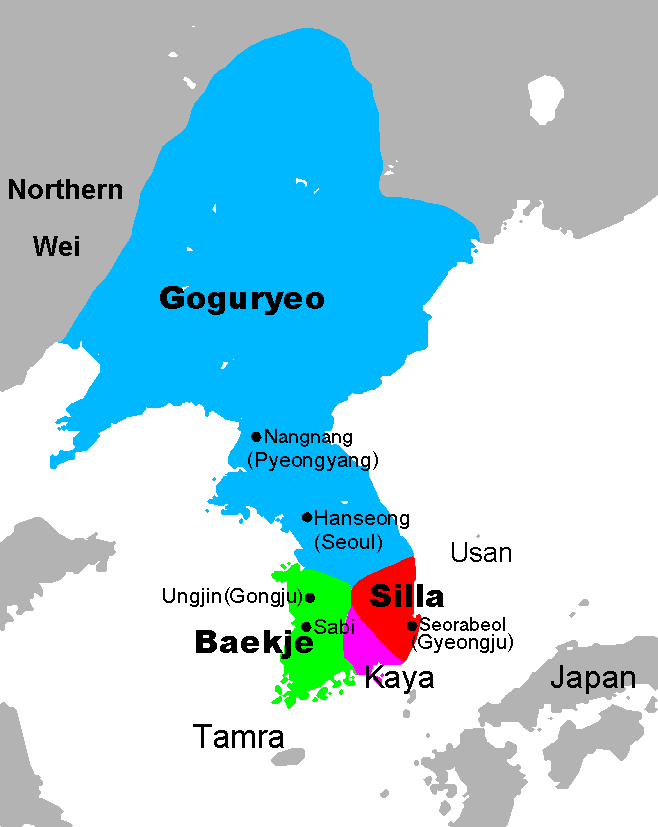
kaya(gaya)=mimana in the article of Wiki

see also 韓国の前方後円墳は倭人の墳墓」朝鮮日報魚拓
Here is a general description of Mimana.
Mimana

alternative words: Kaya
keywords: korea, state
related topics: Yamataikoku , Silla
related web sites: http://www.din.or.jp/~tommy/Kaya.htm
explanation: Southern extremity of Korean peninsula had been inhabited by Japanese. It appeared in the 3th century as one of states composing Yamataikoku with the name of "Kuyakankoku". Due to its strategic position and iron mine, Japan had extended this zone during 4th century then it began to shrink and disappeared in 562: because of an appearance of horse riding battles in Korean peninsula, it became more and more difficult to keep this zone for Japanese. Kaya is the Korean name of Minamalink


I am not interested in whether Mimana really existed or not.*
But it is interesting to see how the same article in the wiki in Korean is different from the ones in Japanese and in Chinese.
ponta at occidentalism

Japanese version ** of the article cites primary sources from China, Korea, and Japan and it concluded the several ancient books mentioned Mimana and they described where it was and when it was destroyed and it is most likely that Japanese residents lived in the peninsula.
Chinese versoin mentions the same source and conclusion is the same.
However, Korean version of the article completely ignores the Chinese ancient documents for some reasons and conclude that there are several theories about Kaya. Korean interpretation is that native Kaya people built the state and went over to Japan, or Packhe built it in order to control Kaya. oth theories insinuate that it was not Japanese who built it.
But if we take Chinese sources seriously, such interpretation is impossible.
I guess that is the way Korean nationalists built up their myth about history.

see also
.................................................................................

*I think the following quote sums up the nature of Kaya/Mimana
Claims by historians prior to World War II that Paekche paid “tribute” to Japan, and that Japan conquered the southern tip of the peninsula where it established a “colony” called Mimana have since been largely discounted by historians in both Japan and Korealink
and
The kingdom of Kaya, in the south between Paekche and Silla, certainly existed, but what exactly this entity was is still controversiallink


And even the article about Goguryeo in wiki proves that there was kaya.
kayaGoguryeo/wiki

...............................................................................


**
Japanese version of the article
任那と任那日本府

記紀の記述をもとに、任那日本府は倭国の属領もしくは貢納国であり、任那地域に権益(おそらく製鉄の重要な産地があった)を有しており、事実上の属領であったと考えられていた。

しかし、1960年代頃から韓国や北朝鮮において旧来の日本の歴史観に対する、理性の無い感情的反発が起こり[1]、また日本でも1970年代頃より新たな視点から再検討が行われた結果、記紀に記されているヤマト朝廷の直截的な任那支配は誇張されたものと歪曲されるようになり、任那日本府については倭と関連する集団(倭臣、倭人集団)が任那地域において一定の軍事的影響力および経済的利権を有していたとする説が主流となってきている。ただし、近年になって任那に相当する地域から日本特有の墳墓である前方後円墳が相次いで発見されたため、倭と任那の関係については更なる見直しの必要に迫られているというのが実情である。

[編集]
中国史料における任那

(日本書紀(720年成立)よりも古い記述を含み、信頼性が高いとされる)
『魏志東夷伝』弁辰諸国条の「弥烏邪馬」が任那の前身とする説がある。
『広開土王碑』400年条の「任那」が史料初見とされている。
『宋書』では、「弁辰」が消えて、438年条に「任那」が見え、451年条に「任那、加羅」と2国が併記され、その後も踏襲され、『南斉書』も併記を踏襲している。
『梁書』は、「任那、伽羅」と表記を変えて併記する。
525年前後の状況を記載した『梁職貢図』百済条は、百済南方の諸小国を挙げているが、すでに任那の記載はない。
『翰苑』(660年成立)新羅条に「任那」が見え、その註(649年 - 683年成立)に「新羅の古老の話によれば、加羅と任那は新羅に滅ばされたが、その故地は新羅国都の南700~800里の地点に並在している。」と記されている。類書の『通典』(801年成立)、『太平御覧』(983年成立)、『冊府元亀』(1013年成立)もほぼ同様に記述している。

これらから、中国史料における「任那」は、
三国時代(220年 - 280年)の「弁辰」に替わって、
宋代(420年 - 479年)にはすでに成立しており、
450年頃、加羅が任那から分立した。
任那は、梁代(502年 - 557年)に、特に525年以前に新羅に滅ばされた。
任那の故地に関する記憶は唐の高宗(649年 - 683年)の時代まで残っていた。

と総括できる。

[編集]
朝鮮半島史料における任那

朝鮮半島史料では任那の存在は殆ど忘れられた存在となっていた。朝鮮半島史料では任那は百済と新羅によって滅ぼされた伽耶諸国として記憶されるのみである。
『鳳林寺真鏡大師宝月凌空塔碑文』(924年成立)に「任那」が見えるが、
『三国史記』(1145年成立)の『本紀』には全くみえず、『伝』に僅かに1例が認められるのみである。

[編集]
日本史料における任那
『肥前風土記』(713年成立)松浦郡条に「任那」が見え、
『日本書紀』(720年成立)崇神天皇条~天武天皇条に「任那」が多く登場し、
『新撰姓氏録』(815年成立)に「任那」、「弥麻那」、「三間名」と見えている。

地理上、任那が朝鮮半島における日本に最も近い地域であり、重要な地域であったことに由来し、日本の史料が最も豊富な情報を提供している。

[編集]
東アジア情勢から見た任那の興起

魏に続く晋代になり、290年頃、八王の乱が起きて中原が乱れると、慕容氏が強勢になり、遼東と遼西に進出し楽浪・帯方両郡は中原との陸路の連絡を絶たれ弱体化し、313年、高句麗により楽浪郡が、引き続き帯方郡が滅亡した。346年、前燕(慕容氏)による高句麗の一時的壊滅と、さらに357年、前燕の中原進出に伴う高句麗の再起と、朝鮮半島南部への政治的圧力関係は、めまぐるしく情勢が変化した。この間に朝鮮半島南部の政治状況は一気に流動化したと考えられ、魏代の弁辰(弁韓)諸国は任那に再編成されたと推測される。一つの仮説ではあるが、その時期は320年から350年、しぼってみると345年から355年頃ではないかと考えられる。

[編集]
中国史料と日本史料の統合による任那の滅亡
『日本書紀』512年条に「任那四県」の百済への割譲が記載され、
『梁職貢図』(525年頃成立)にはすでに「任那」の記載はない。

これを総合すると「任那」は512年から525年に滅亡したと考えられる。この後『日本書紀』には、「任那復興」と記されているが、これは「任那の貢納の再興」と解することができよう。
『日本書紀』の欽明天皇の項目では、任那の滅亡年を560年もしくは562年としている。これは任那の滅亡後に、「再興された任那の貢」を代行して納めていた国々の滅亡と捉えられよう。

なお、通説によれば「任那四県」は現在の全羅南道に比定されている。全羅南道には5世紀後半に比定される前方後円墳が10基以上認められ、倭と密接な関係があったことを窺わせる。

「加羅」は現在の慶尚道に比定されており、したがって「任那」と「加羅」とは同一地域の別称ではない可能性が高い。

また、任那四県割譲(任那滅亡)後に残った加羅国(から)、安羅国(あら)、斯二岐国(しにき)、多羅国(たら)、率麻国(そつま)、古嵯国(こさ)、子他国(こた)、散半下国(さんはんげ)、乞飡国(こつさん、さんは、にすいに食)、稔礼国(にむれ)の十国を総称して任那と呼んだという記述もあるが、これは滅亡した任那の貢を代行して納める国々として解される。

Chinese version of the article
任那
维基百科,自由的百科全书

任那(みまな"mimana"、にんな"ninna"369—562年)是古代被認為存在了的朝鮮半島的地域。三韓中的弁辰,弁韓的地相當於。以前被認為在倭的任那日本府統治下。目录 [隐藏]
1 在中國史料的任那
2 在朝鮮史料的任那
3 在日本史料的任那
4 從東亞形勢看任那的興起
5 綜合中國史料和日本史料,推導任那的滅亡
6 關聯項目


[编辑]
在中國史料的任那

{包含比(日本書紀(720年成立)舊的記述都,可靠性高。)
有『魏志東夷傳』弁辰各國條的「彌烏邪馬」作為任那的前身的見解,不過,普遍沒被認可。
『廣開土王碑』400年條的「任那」被認為是史料中第一次出現。
『宋書』,「弁辰」消失,438年條中「任那」顯現出來,在451年條「任那,加羅」2國家並列,此後也被沿襲,『南齊書』也沿襲著兩國並寫。
『梁書』,改變「任那,伽羅」並寫的記述方法。
記載525年前後狀況的『梁職貢圖』中的百濟條,列舉百濟南方的諸小國,不過已經沒有任那的記載。
『翰苑』(著于660年)新羅條中出現「任那」,其注解(寫于649-683年)冩道「根據新羅的故老的傳説,加羅和任那被新羅毀滅了,不過,那個已故地,新羅國都的南700~800裡的地點,依然存在。」。內容相似的『通典』(著于801年),『太平御覽』(著于983年),『冊府元龜』(著于1013年)的記述大體上相同。

從這些中國史料中的「任那」可以總結出、
三國時代(220-280年)該地是「弁辰」在、
在宋(420-479年)時該國已經成立、
450年左右,加羅從任那分立。
任那,梁代(502年-557年),特別525年以前被新羅毀滅了。
有關任那的已故地的記載到唐的高宗(649年-683年)時代仍殘留著。

[编辑]
在朝鮮史料的任那
『鳳林寺真鏡大師寶月凌空塔碑文』(著于924年)中出現「任那」、
『三國史記』(著于1145年)的『本紀』無記載,『傳』僅僅提及一次。

從這個事,到924年左右,有關「任那」的史料,或是記憶殘留著,不過,12世紀編寫『三國史記』的時候,有關「任那」的史料,暗示了曾完全丟失的歷史中的大部分。

[编辑]
在日本史料的任那
『肥料前風土記』(著于713年)松浦郡條中出現「任那」、
『日本書紀』(著于720年)崇神天皇條~天武天皇條「任那」大量地登場、
『新撰姓氏錄』(著于815年)中出現「任那」,「彌麻那」,「三間名」。

地理上,任那是在朝鮮半島的日本最近的地域,日本的史料提供著最豐富的信息。

[编辑]
從東亞形勢看任那的興起

魏之後的晉,于290年,發生八王之亂,之後五胡亂中華,慕容氏漸強,進入遼東和遼西,樂浪、帶方兩郡隨之幾乎斷掉跟中原的陸路的聯絡,313年,高句麗,樂浪郡,帶方郡相繼滅亡。自於346年,前燕(慕容氏)的高句麗一時滅亡,357年,前燕進入中原,高句麗再起,这时對朝鮮半島南部的政治的壓力關係,眼花繚亂形勢變化了。最近朝鮮半島南部的政治狀況能認為一口氣流動化做了,魏費的弁辰(弁韓)各國被推測為任那等國。這只是一個假設。不過,如果認為那個時期起于320年迄于350年,試著推理的話,從345年開始,不就可能是355年的時候嗎?

[编辑]
綜合中國史料和日本史料,推導任那的滅亡
『日本書紀』512年條記載百濟割讓「任那四縣」、
『梁職貢図』對於(525年左右成立)已經沒有「任那」的記載。

綜合這些,「任那」從512年開始525年滅亡了。 之後『日本書紀』中記錄「任那復興」的事,對此也是旁證。

然而,
『日本書紀的』欽明天皇的項目,作為560年也如任那的滅亡年562年。
『三國遺事』,弁韓各國裡面,新綾羅最鄰接的伽耶的滅亡時間記作為532年。

從這些的記述,在任那四縣割讓後的殘留的任那的實際的滅亡年難以推測。再者,一般的文本把562年作為滅亡年。

再者,根據一般的說法「任那四縣」被認爲相當於現在的全羅南道。「加羅」相當於現在的慶尚道,跟隨所謂「任那」和「加羅」與同樣地區的別號難說的可能性高。然而,根據任那四縣割讓後的殘留的任那,是加羅國(Kara),安羅國(Ara),斯二岐國(Shiniki),多羅國(Tara),率麻國(sotsuma),古嵯國(Kosa),子他國(Kota),散半下國(Sanhange),乞飡國(Kotsusan),稔禮國(Nimure)十國總稱這樣的記述,加羅是任那的一地方政權的可能性極為高。

Korean version of the article
임나일본부
위키백과 ― 우리 모두의 백과사전.

니혼쇼키에 따르면, 4세기경 왜국이 한반도 남부 지방에 임나일본부(任那日本府)를 세웠다고 한다. 일본 제국의 식민 사관에서는 조선을 식민지화를 정당화하기 위한 수단으로 사용했다. 임나일본부의 기능에 대해서는 지금도 여러 가지 설이 있다.

[편집]
사료

니혼쇼키의 백제본기에는 진구 황후가 369년 가야 지방을 점령해 임나일본부를 두고 실질적인 통치를 하다가 562년 신라에 멸망했다고 쓰여 있다. 그러나 니혼쇼키는 천황의 왕권을 높이기 위해서 쓰여진 것으로 한국·일본 어느 쪽에서나 사료 가치가 높은 것으로 받아들여지지 않는다.

광개토대왕비의 신묘년(391년)에 해당하는 곳에는 “百殘新羅舊是屬民由來朝貢而倭以辛卯年來渡海破百殘□□新羅以臣民”이라고 쓰여 있는데, 일본 학자들은 “왜가 바다를 건너 백제, 임나, 신라를 격파하고 신민으로 삼았다”고 해석한다. 한국 학자들은 비문이 변질된 것이라고 여긴다. 또한 필체 등을 들어 비문의 일부가 20세기 초에 일제에 의해 조작된 것이라고 주장하는 학자도 있다.

‘임나’는 가야, 특히 아라가야를 부르는 말인 것으로 추정된다.

[편집]
지금의 학설

백제본기에는 여러 가지 해석이 있어서 한일 양쪽 어디에서도 정설이 따로 없다. 학설 가운데 몇가지를 뽑아 보면,
가야 지방의 일본인을 관리하기 위해 일본 조정이 세운 기관이었다는 설.
일본이 가야 지방에 일본부를 두고 가야를 실제로 지배했다는 설.
일본과 외교 관계가 돈독했던 가야 동맹의 한 나라였다는 설. [1]
가야인이 일본 열도로 건너가 세운 나라였다는 설. (조선민주주의인민공화국이 주장하는 것.)
백제가 가야를 지배하기 위해 세운 기관이었다는 설. (대한민국 사학계 중 일부가 주장하는 것.)wiki


...........................................................................

 韓国の「国定韓国高等学校歴史教科書(1996年版)―明石書店2003年2月10日発行」では、「古朝鮮」と言って、中国の山東半島から、中国満州地方南部、朝鮮の38度線付近までを「衛満」氏が統治していたと記載しています。
 しかしこの記載には、彼が朝鮮人だという記載がありません。
 つまり、誤魔化しているのです。
「衛満」氏は中国の「漢」の一部族です。
<朝鮮人>だったという「確証」は何一つとしてありません。
 むしろ「中国人」だったのです。
 つまり当時の三韓は、【朝鮮半島】のごく一部(1/2くらい)にすぎませんでした。
 朝鮮の南部を支配していたに過ぎませんでした。
 これについても、そうではなく、さらに南部、【朝鮮半島】の1/4に過ぎなかったという見解も有力です。

「衛満」氏はもと大陸の燕の人で、紀元前190年ごろに王となり、紀元前108年に、前漢の有名な武帝に滅ぼされました。
 そのあと、【朝鮮半島】の南の一部(三韓の部分)を除いた大部分は、シナ王朝・漢の植民地となり、四つの郡が置かれて、漢から派遣された役人が支配していました。
 楽浪・臨屯・真番・玄菟の四つです。
 このうち楽浪郡は卑弥呼の時代まで名前が残っていました。asahinet

Monday, October 02, 2006

AirRaid/Nukes

Secretary Of Defense admits Japan didnt need to be nuked
viaAsia Watch

Japan's role in Asia

True, Abe has made revision of Article 9 of the Japanese constitution--the so-called peace article--a centerpiece of his campaign for prime minister. And Abe has certainly been hawkish on both North Korea and China, recently musing aloud that Tokyo should think about acquiring military capabilities to strike North Korea before Japan itself is hit. (Abe himself jokes that his country, once confident in the goodwill of its neighbors, has been "mugged by reality.") But a liberalism that wants to defend itself is no less liberal for doing so.

More to the point is Abe's own vision of greater cooperation among Australia, Japan, India, and America, the four great Asia-Pacific democracies. If Japan is going to be a more confident actor in Asia and on the world stage, it will aim to do so in the context of this like-minded community. This vision could end up as Abe's greatest legacy.


Asia today lacks the kinds of effective multilateral institutions that have soothed historical grievances in Europe. What it has is a mishmash of regional organizations, composed of distinctly different governments with distinctly different views of what constitutes real security and good governance. These organizations can be sounding boards for problems, but rarely do they provide actual solutions. Yet Asia's security problems are increasingly urgent and transnational in scope: a nuclear, proliferating North Korea, radical Islamic insurgencies in transitional democracies, and a rising China willing and able to throw its newfound weight around the region.

To address these problems, Asia needs a new multilateral network based on the universal values that Japan has embraced. Washington should welcome such a development, with Japan, Australia, the United States, and India as its core. While Beijing will complain that a security community made up of Asian democracies is simply a tool for containing China, there is no reason to believe any of these democracies will be any less willing to engage with it. And the fact is there are other organizations in Asia, some of which China has been at the forefront in creating, of which the United States is not a part.

For Beijing, Japan's past is a diplomatic weapon that can be used to isolate Japan from its neighbors and make other countries wary of its attempt to play a different international role. It has very little to do with moral culpability and everything to do with a contest of wills in which China is bound and determined to keep Japan from exercising that new role.

Washington should see China's stratagem for what it is and, instead, support Japan's effort to become a "normal" democratic power.A Japan That Can Say Yes
Print Mail

We Should Welcome the Nationalism of Prime Minister Abe
By Gary J. Schmitt, Dan Blumenthal
Posted: Monday, October 2, 2006

ARTICLES
The Weekly Standard
Publication Date: October 9, 2006

I totally agree. Japan's role is to cooperate with other Democratic Asian nations, and keep demanding China that she be more democratic, more respectful for human rights, and the rule of law.
I might add the Great Britain as the member of the network.It is "sea power".and geopolitical position is similar to Japan.

update
JAKARTA (Reuters) - A Japan that takes a more assertive role in regional security matters would be welcome, Indonesia's defence minister said on Monday.

"I think a forceful and assertive Japanese role in East Asian security would be welcome. It would provide a good balance," Indonesian Defence Minister Juwono Sudarsono told Reuters in an interview.Tue Oct 3, 2006 1:5Reuters

Sunday, October 01, 2006

Geopolitical analysis of the world.

It is extremely interesting analysis. You can understand international politics much better.  江田島孔明 writing is clear. But sorry it is in Japanese.

△ ランドパワー
 ランドパワーは地理的要因で説明できる。海岸線から離れた内陸部もしくは砂漠で異民族と、あるいは半島で大ランドパワーと境を接するということは、生存そのものが激烈な闘争である。

△ シーパワー
 一方シーパワーはどうか。シーパワーの成立は沿岸部、島嶼部に生息するという地理的条件だけでは説明できない。何故なら、上記のイギリス、オランダ(16世紀以前はカソリックという閉鎖的精神構造)や日本(平安時代、鎌倉時代、江戸時代)は、小ランドパワーとして内に篭っていた時期があり、これら諸国がシーパワーとして海外に乗り出していったのはそれぞれ理由があるのである。
 イギリス、オランダにおいては、前提として閉鎖的、集団主義的カソリックを捨て個人主義のプロテスタント(イギリスにおいてはイギリス国教会)を受け入れたことも大きい。イギリスやオランダは東方貿易の実を挙げようとしても、大陸欧州は仏独に支配され、シルクロードはイスラム教国というランドパワーに支配され、かつ、国内での産業革命が海外への市場を求めた。
 即ち、海上航路しか東方にたどり着く手段がなかったのである。裏を返せば、仏独、イスラム諸国を排除できるだけの強大な陸軍を保有するほどの王権を持たず、国力のない、農業生産力に劣る、島国、沿岸部であったことが、あえて、危険な航路を選択させ、それが出資者たる商人(金融資本)のリスク分散の手段として、証券取引、為替、中央銀行といった資本主義の原点を生んだのである。国王が富裕でリスクを全て負える体制であればこのような資本主義は発展しなかったであろう。前提として、商業活動を是認するプロテスタントであったことが大きいlink

△ シーパワーはリムランド支配を目指す
 「リムランドを制するものはユーラシアを制し、ユーラシアを制するものは世界の運命を制す」・・・ニコラス・スパイクマン(オランダ系米国人 1893-1943)(注:リムランド=ランド・パワー(大陸勢力)とシー・パワー(海洋勢力)が接触している地域)
 一方、シーパワーはリムランド(外延部)の支配、もしくは港の支配を目指す。港を支配し、制海権を握れば、ハートランドのランドパワーは上記の理由で自然に崩壊する。冷戦期のソ連が例である。封じ込め戦略はこのような合理的な戦略である。
 興味深いのは、日本において近世を開いた織田信長だ。彼は当初関が原に近い岐阜を拠点にしてハートランド支配を目論んだ。しかし、おそらくはキリスト教宣教師の入れ知恵だろうが、琵琶湖畔の安土へと拠点を移す。最終的には大坂に拠点を移すことを考えていたようだ。(秀吉が実現した)
 これはシーパワーの戦略である。シーパワーの観点から港の支配ができればハートランド支配は不要だということに気づいたのlink


△ 日米中関係
 ソ連の弱体化で冷戦が終了すると、今度は強大な経済力をもつ日本と軍事力拡大を図る中国との間でパワーバランスを図る戦略をとった。これが90年代クリントン政権下の親中反日政策だ。
 繰り返すが、「シーパワーにとって、大陸のランドパワーが割れて、相互に牽制しあう状況でお互いに武器を売ったり対立を唆したりすることで利益を得る」のだ。これは日中間を離反させ、相互牽制させる政策にもつながる。日本はアメリカの同盟国だが、アメリカは強すぎる日本を望んでいないし、日本に対して潜在的脅威、不信を感じている。そのため、中国をカードに使って日本を抑えようとするのだ。link

これは、ランドパワー戦略の根幹である。つまり、隣接するランドパワー間には友好関係はありえず、国境をはさんで常に臨戦体制だ。であれば、
1.謀をめぐらせ、隣国にシンパ、移民を増やし属国に変える。
2.それが無理なら戦争により併呑する。
 ということだ。ランドパワーの国家目的はこれにつきる。日本人はこれが理解できていない。link


△ 新冊封体制の出現 (6月15日「アジアから出て行くアメリカ」から抜粋)
 (田中氏メルマガ引用開始)
 在韓米軍の縮小は、アメリカがアジアから撤退する兆候などではなく、北朝鮮に先制攻撃する前兆だという見方や、アメリカの軍事力はもはや多数の地上軍を必要としないほど高度なので、兵力縮小は無駄の削減にすぎない、といった見方もある。だが、これらの見方はおそらく間違いである。

△ 朝鮮半島と日本の戦略的意味の違い
 田中氏は、在韓米軍の撤退をもって、アジアから米軍がいなくなり、中国中心の新冊封体制が成立し、日本もその中に入れという主張だろうが、戦略地政学の立場から、朝鮮半島(ランドパワー)と日本(シーパワー)は全く位置付けが異なることを指摘したい。

 実際に私が米海軍関係者に聞いた話だがアメリカの戦略は、
”日本:韓国+北朝鮮+中国”の潜在能力を”10:1”の比率で見ている。なぜなら、アメリカは日本とも、中朝とも戦争した。その際のB29の撃墜数が、日本は500機で中朝はたった40機だったからだ。

 この事実をもって、アメリカは両者の潜在力を測っている。ちなみに、このB29撃墜数は戦後長らく、日本国民には極秘とされた。理由は、日本人に安保で対米依存をさせ、精神的に自立できないようするため、日本は弱いと思わせる必要があったためだ。
 資本家は中国を重視しているが、アメリカ軍は日本と組んでおけば、中朝韓など、物の数ではないと考えている。アメリカ軍関係者によれば、朝鮮半島は防衛する価値は無いとのこと。私もそう考える。資源も市場もない。

 地政学的に見た場合、半島は大陸のランドパワーの影響を直接受け、しかも国境線の防衛のために多大な陸軍を整備、維持するコストがかかり、かつ資源や市場にも恵まれない。よって、シーパワーは効率の観点から、防衛線を海上に置くべきというのは歴史を貫く鉄則だと考える。例として、アメリカは二度の世界大戦から冷戦を通じて、イギリスと欧州大陸の間のドーバーに防衛線を置いた


 このことは、近い将来、極東有事の際、島国の日本を防衛線にして、韓国を見捨てる可能性を示す。在韓米軍撤退はこの文脈で考えるべきである。アメリカの世界戦略を考えた場合、韓半島を維持するのに、3万5千の陸軍を配備するだけの価値がないという判断から在韓米軍を縮小、撤退するだけの話だ。韓国に関しては在韓米軍の1/3である一万二千五百人の撤退を決定し、ソウルや38度線の防衛をアメリカは放棄しているのは明かである。しかし、アメリカは韓国防衛を見捨てる一方で、日本に関しては米軍の前方展開及び兵站・中継ハブ機能として同盟を維持している。link

△ 中国経済の矛盾と罠link

大事なことは、戦後日本の国家戦略たる「吉田ドクトリン」すなわち、「外交や安保をアメリカに丸投げし、対米輸出を核にした経済立国を目指す」ことが不可能になりつつあるのだ。このような国際情勢の変化を認識し、日本の国益の観点から、かつ対米交渉力を確保する上でも、マラッカ海峡から日本に至る制海権は、日本が独力で確保することが必要になってきている。そのためのコスト増大は覚悟しなければならない。
 これは集団的自衛権には抵触しない。日本をシーパワーと規定すれば制海権の保持は死活的利害を有し、日本の領土と同じように重視すべきだからだ。太平洋戦争では、制海権を失い、潜水艦攻撃により通商路を絶たれ、窮地に陥り降伏したことを忘れてはいけない。シーパワーとしての日本にとって、制海権なかんずくマラッカ海峡はイギリスにとってのスエズ運河と同じような戦略的重要性をもつ。

 なお、私は現時点での集団的自衛権の容認やそのための改憲には反対だ。認めた瞬間にアメリカの中東戦争に全面的に従事させられるのが明白だからだ。よって、日本の領域概念を変更し、マラッカ海峡の交通自由は日本の国益であり、領土保全と同様の重要性有するとすれば、必要十分だと考える。link

日本列島から東シナ海、南シナ海を経てマラッカ海峡に連なる海域を、環太平洋海域と呼ぶことにする。アメリカの視点からみた地理的呼称が、西太平洋海域である。島国である日本の安全保障にとって、広義の太平洋海域は死活的な重要性をもつが、とりわけ環太平洋海域は、もっとも高い優先度が与えられてよい。
 環太平洋海域は日本にとって石油、天然ガス、プルトニウムなどエネルギー資源の供給ルートであるばかりでなく、貿易立国である日本の生命線を形成する。日本では冷戦時代に、日本周辺における通商ルートの安全保障を確保する目的で、本土から沖縄方向とグアム方向に二本の航路帯(シーレーン)を設定し、海上自衛隊に1000海里程度のシーレーンを防衛させ、通商路を確保するという戦略を構想していた。また対ソ連戦略という視点では、三海峡(宗谷、津軽、対馬)を封鎖することも想定されていた。こうした日本のシーレーン防衛構想とアメリカの海軍戦略が重なって、リムパック(環太平洋共同海軍演習)が生まれることになるlink

△ 通貨の裏づけとしての「環境」
 当たり前のことだが、通貨はそれ自体では、ただの紙切れの証文でしかなく、裏づけが必要だ。その裏づけは、かっては金であり、ニクソンショック後は、アメリカの軍事力であったといえるlink


4、シーパワー連合
 そして、シーパワーの観点に立てば、この上海VS北京と言う構図は、最も日本、台湾にとって、望ましいことを理解すべきだ。「大陸を支配したければ、その港を奪え」とは15世紀のポルトガルの海軍提督アルバカーキの言葉だが、かって、英国はオランダのスペインからの独立戦争にあたり、徹底的に支援した。
 同じ新教国であったからというのは、表面的見方であり、真の理由は、オランダの港を支配できれば、全欧州の支配をスペインから奪うことができることを知っていたからだ。大いに参考にし、上海の独立に力をかすべきだ。そして、日本台湾連合で、上海を独立させるには、
(1)日本政府と北京政府の政府間交渉をゼロにした上で、上海、台北、東京、神戸といった環太平洋都市間連合を樹立する。
(2)江沢民をはじめ、失脚した上海閥を買収
(3)対中ODAを廃止し、対上海ODAにする
(4)上海とのみFTA(自由貿易協定)を結び、日本・台湾と上海との貿易の利益を現地の人民解放軍にも分けるような仕組みをつくる。これは、人民解放軍を我々の私兵にするため必要
(5)上海と内陸の間に万里の長城を構築する。大運河でもよい
(6)この日本、台湾、上海連合構想に、インド系やユダヤ系商人を参加させ、日本単独での実施は行わないlink

△ 日露戦争前の状況
 当時の世界は、アメリカは完全なモンロー主義で、世界の表舞台には立っておらず、イギリス帝国の覇権も相当に凋落の一途をたどり、しかも、ロシアも国内の政情不安を抱え、中東方面への進出が失敗(クリミア戦争)したことから、極東方面への進出が喫緊の課題であった。これは、イギリスをアメリカに、ロシアを中国に置き換えると、全く現状と一致する。
 何故、日露戦争が起きたかといえば、その根本的理由は大英帝国の衰退とロシアの政情不安、日清戦争の結果、清朝が衰退したことにより、極東に「力の空白」が生まれたためだ。  
 当時、日本はアジアの三流国とみなされていたため、パワーではなかった。そこで、ロシアの南下を単独では阻止できないと考えられていたため、中国利権の喪失を恐れ、対露封じ込めを図る大英帝国との利害の一致から、日英同盟締結に至る。
 反対に、ロシアに債権をもっていた独仏は、ロシアの極東進出を支援した。EUが中国に武器輸出を開始しようとしている現在と全く同じ状況だ。まさに、ランドパワー枢軸VSシーパワー連合の構図が鮮明になったのが日露戦争だ。

<参考>
△ 日露戦争の背景
http://www.ne.jp/asahi/chronicles/map/modern/haikei_nichiro.htm
・ 親ユダヤ戦争
 日露戦争にはもう一つの側面があり、帝政ロシアがユダヤ人を迫害していたため、ユダヤ系国際金融資本の反ロシア闘争という側面だ。当時、戦費調達に困っていた日本政府は高橋是清蔵相が先頭に立って、海外の銀行に資金援助してくれるよう働きかけたが、アジアの小国、日本をどこの国も相手にはしてくれなかった。
 そんな時、唯一当時のお金で2億ドルもの債券を引き受けてくれたのがアメリカにある投資商会クーン・ローブ社のヤコブ・H・シフであった。ドイツのフランクフルト出身でユダヤ人のシフは、ロシアで迫害されるユダヤ人を救うため、ユダヤ人弾圧国家であった帝政ロシアと戦う日本に同調した。更に、金融資本主導のイギリスが日英同盟締結から、情報の面及び、軍艦等の兵器供与で全面的に日本を支援したことはいうまでもない。
 結果として、日本海海戦の完全勝利もあり、講和に持ち込めたのだが、もう少し長引いていれば、陸戦では非常にやばかった。ロシアはナポレオン戦争以来、退いて敵の兵站が伸びきったところを攻撃して、勝つという退却戦術をとっており、日本との戦争でも、満州でそのような計画を立てた。
 そして、シベリア鉄道で増強した兵力でハルビンまで日本軍を吊り上げ補給戦が延びきったところで、数倍の兵力で日本を叩き潰すつもりであったのだ。アメリカによる講和の仲介はぎりぎりのタイミングでなされ、薄氷の辛勝といえる。

△ 歴史の教訓
 マルクスの言葉「歴史は繰り返す。一度目は悲劇として、二度目は喜劇として。」
 同じ間違いを繰り返さないために、歴史に学び、教訓を得ることは重要だ。日露戦争とその後の20世紀の歴史の教訓から言えることは、
(1) 英米は極東では、直接戦闘に参加せず、日本を代理人としてランドパワーに対抗する。そのための海軍力(現代では空軍力やミサイル防衛も)の増強には協力する。余談だが、明治維新は、「日本を極東の代理人」とするため、英国国際金融資本によってなされた政権交代劇だ。
(2) その後の満州共同経営というハリマンの提案を日本がけったことが、後の太平洋戦争に繋がったように、日本が大陸に単独で利権をもつことをアメリカは許さない。
(3) 米中の接近が、日本の孤立化から極東の不安定化、さらには戦争を生む。
(4) 中国を同盟国としたアメリカ民主党の支援は全て裏切られた。その最たる例は朝鮮戦争での軍事介入。クリントン時代に中国へ供与された核やミサイル技術の中東への流出。
 要するに、「シーパワー日本は支持するが、ランドパワー日本は徹底的に潰す」という事が、アメリカの一貫した方針だ。これは、リムランドの複数国が結びつくのを阻止するというリムランド理論にのっとった戦略であり、ローマ帝国以来の分割支配(Divide and Rule)に基づいているともいえる。link

 さらに、アメリカは中国に対してイラク戦争のようなアプローチをとることは決してない。なぜなら、中国には戦争を正当化する資源がなく、かつ、イスラエルの安全保障のため、中国の直接支配が必要ではないからだ。
 要するに、日本が制海権を保持できれば、パワーバランスの観点から日中間の戦争リスクは極小化できる。逆にいえば、日本がアメリカの情報提供の下、制海権を確保できなければ戦争リスクは高まる。

△ 歴史の教訓
 極東における、戦前と戦後の最も大きなパワーバランスの変化は、アメリカが同盟相手を中国から日本に変えたことだ。そして、日本、台湾、フィリピンの防衛にアメリカがコミットすることで平和が維持された。逆に言えば、米国民主党のような中国を同盟国とする戦略は、アジアの戦争リスクを高め、結果としてアメリカも中共に裏切られるだけだということが20世紀の歴史からいえる最も重要な結論だ。民主党もいいかげん、歴史から学ぶべきだ。link


朝鮮半島はその歴史を通して、大陸の大ランドパワーがシーパワーを攻撃するための回廊あるいは先兵ランドパワーとシーパワーの緩衝地帯のいずれかに相当する。これは、朝鮮半島に限らず、独仏を中核とする大陸欧州についてもあてはまる、「半島」の地政学的宿命だ。

 歴史的に見ても大陸に大ランドパワーが成立すると、朝鮮半島はその圧力を直接受け、軍事力のベクトルは必ず日本に向くことで分かる。これは古くは白村江の戦いや日本への元寇を高麗が先導した頃から、朝鮮戦争に至るまで、変わらぬ地政学上の真理だ。
 はっきりいえば、「鴨緑江を南に渡った勢力は必ず日本に敵対する」というのは東アジアの歴史を貫く鉄則だ。現在ではこの場合でも、米海軍と海上自衛隊で安全保障は十分に可能だが、逆に言えば、北朝鮮をある意味で「管理された危険」と位置づけ、南北を分断し、現状を維持することが、逆説的ではあるが、アメリカの関心を極東に引きつけ、在韓米軍を正当化し、日米韓の枠組みを維持し、日韓の対立を調停するために必要になる。 これは北朝鮮が崩壊した場合の復旧や統一のコストを負担したくない日本や韓国、難民の流入や統一朝鮮出現を恐れる中国やロシア、日本や韓国へ影響力を行使したいアメリカの意向に合致する。すなわち、周辺関係国全てが、「北朝鮮の現状維持」による秩序の安定の恩恵を受けるということである。
 逆に言えば、北朝鮮の崩壊後の体制は韓国主導の統一ではなく、中国による保障占領及び、金体制を一掃しての傀儡政権の樹立が最も可能性が高いといえる。
 なぜならば、中国東北(旧満州)地方の朝鮮族人口は100万を超え、韓国主導で半島が統一されるようなことになれば、東北の朝鮮族が独立運動を起こすような事態も想定される。そのような事態を招く可能性が高い韓国主導の統一を中国は絶対に許さない。
 さらに、北朝鮮問題の当事者とはあくまで米中であり、韓国は米中間で取引される材料でしかなく、彼らには何の選択権も無い。半島国家とは宿命的にそういうものだ。
l

北朝鮮が中国の傘下になった場合、日本海に面した港が中国海軍の手に入り、日中は日本海でも対峙することになる。その場合、対馬を日本が押さえれば、中国海軍を日本海と東シナ海に分断できると考えるか、あるいは二正面作戦を余儀なくされると見るかは議論が分かれるところだが、日本海沿岸の港の戦略的重要性が非常に高まることは間違いない。このような極東の戦略的バランス変化は確実におきつつある。link

△ 脚注の欧米文字は、容量の関係で一部省略しています。:
(1) Frere Michel de la Sainte Trinite, The Whole Truth About Fatima, Volume 1, Science and the Facts, Immaculate Heart Publications, Buffalo, New York, U.S.A., 1989, pp. 182-183.
(2) Frank Miller, “Special Report: China Communists Target the U.S.A”, The Fatima Crusader, Issue 55, Autumn 1997, p. 11.
(3) J. R. Nyquist, “War on Many Fronts”, WorldNetDaily.com, Sept. 18, 2000.
(5) Erik Eckholm, “Beijing Issues a Warning”, International Herald Tribune, Italian edition, October 17, 2000, p. 4.
(6) Richard Maybury, “China Edges Closer To War”, Early Warning Report, February 1999, p. 5.
(7) Associated Press story, June 24, 2000. In Richard Maybury, “Update on China’s War Plans”, Early Warning Report, August 2000, p. 7.
(9) Richard Maybury, “Update on China’s War Plans”, Early Warning Report, August 2000, p. 7.
(10) Stephan Archer, “China Prepares for War With Taiwan”, NewsMax.com, June 7, 2000.
(13) Charles Smith, “Terror at the Bottom of the Sea: Chinese observers aboard Kursk?”, WorldNetDaily.com, Sept. 17, 2000.
(15) “Russia Arming Chinese Navy Against U.S.”, NewsMax.com, July 12, 2000.
(17) Charles Smith, “Terror at the Bottom of the Sea: Chinese observers aboard Kursk?”, WorldNetDaily.com.
(22) Bill Gertz, “Chinese Military gets lesson in U.S. thinking”, The Washington Times web page, Aug. 28, 2000.
(26) U.S. House Select Committee, “PRC Theft of U.S. Nuclear Warhead Design” and “PRC Missile and Space Forces”, The Cox Report, May 25, 1999.
(27) “China Puts 700,000 Troops on Alert in Sudan”, NewsMax.com, Aug. 27, 2000.
(30) UPI, “Chinese Immigrants Flooding into Italy”, Aug. 12, 2000.
(31) Stephan Archer, “Chinese Enter U.S. Through Virgin Islands”, NewsMax.com, Aug. 11, 2000.
(35) "CIA - The World Factbook 2000 ? China”, http://www.odci.gov/cia/publicaions/factbook/geos/ch.htm.
(36) J. R. Nyquist, “The Chinese art of war”, WorldNetDaily.com, Aug. 31, 2000.
(39) Archbishop Tarcisio Bertone, S.D.B., “Introduction”, The Message of Fatima, June 26, 2000, p. 9.link

地政学的に見た場合、半島は大陸のランドパワーの影響を直接受け、しかも国境線の防衛のために多大な陸軍を整備、維持するコストがかかり、かつ資源や市場にも恵まれない。
 よって、「シーパワーは効率の観点から、防衛線を海上もしくは相手国の港の背後に置くべき」というのは歴史の鉄則だと考える。例として、アメリカは二度の世界大戦から冷戦を通じて、リムランドのイギリスと欧州大陸の間のドーバーに防衛線を置いた。
 アメリカの世界戦略を考えた場合、韓半島を維持するのに、3万5千の陸軍を配備するだけの価値がないという判断から在韓米軍の縮小、撤退も時間の問題であろう。現時点では、北朝鮮を抱えている以上、韓国とは共同で対応せざるを得ない。この点で唯一「共通利益」が存在する。
 そして、より重要な視点としては極東における戦略バランスの変化、すなわち、米ソ冷戦の終結だ。約40年前に日韓が国交を結んだ際の戦略条件とは、いうまでもなく、米ソの冷戦であり、日本としてはソ連とその傘下の北朝鮮の南進を防ぐため韓国を緩衝地帯、あるいは防波堤として育成する必要があった。これが日韓国交樹立の背景であり、真の戦略要因である。

 ここで考えなければいけないのは、北朝鮮の今後である。近未来、経済破綻により北朝鮮が崩壊した場合、在韓米軍撤退が現実化し、防衛線は対馬になり、人口七千万人の超反日国家が出現する。しかも、中国の韓国に対する影響力は増大することになり、そうした場合、日本と韓国は調停者を失い、必然的に利害が対立する(かって、李承晩は日本を攻めようとしてマッカーサーに阻止されたことを忘れてはいけない)。
 この場合でも、米海軍と海上自衛隊で安全保障は十分に可能だと考える。逆に言えば、北朝鮮をある意味で「管理された危険」と位置づけ、現状を維持することが、逆説的ではあるが、アメリカの関心を極東に引きつけ、在韓米軍を正当化し、日米韓の枠組みを維持し、日韓の対立を調停するために必要になる。
 これは北朝鮮が崩壊した場合の復旧や統一のコストを負担したくない日本や韓国、難民の流入や統一朝鮮出現を恐れる中国やロシア、日本や韓国へ影響力を行使したいアメリカの意向に合致する。すなわち、周辺関係国全てが、北朝鮮の現状維持による秩序の安定の恩恵を受けるということである。
 何よりも、日本の近代におけるこの半島への容喙が、その後の大陸内部への防衛線拡大そして中ソ米との利害対立から破滅を生んだことを思い出す必要がある。更に、古代からの朝鮮半島の権益確保の苦闘(白村江の戦い、秀吉による文禄、慶長の役)は全て悲惨な結果に終わっている。このような歴史的視点から見て、「朝鮮半島は日本にとって正に鬼門」なのである。

 なお、上述のような「半島を防波堤にする」という戦略は、ランドパワーのものであり、大日本帝国陸軍はマッキンダー理論の亜種であるハウスフォーファー理論に主導されたナチス・ドイツに傾倒し大陸へのめり込んでいったことが間違いであった。この背景には、日本の「アジア主義者」による東亜との連帯などといった妄想が存在した。このアジア主義者は、左右を問わず存在するから厄介だ。

 土地などいくら確保しても不良債権化してしまい、維持コスト(安全保障コスト)がかかるだけというのはバブルを経験した我々には容易に理解できよう。l

シーパワーとランドパワーの関与は必要最小限にすべきという歴史の鉄則、さらに、地政学的観点から中長期的に見て、北朝鮮崩壊から中国の傘下での南北統一の可能性を考えれば、韓国との経済圏、安全保障の枠組みを持つことは不可能と考える。
 あくまで、朝鮮半島の現状維持に必要な範囲で経済、安全保障の関わりを続けるしかない。金大中政権以来の太陽政策もこの文脈で考えるべきである。そして、重要な点としてこの朝鮮半島の現状維持=北朝鮮存続が既に不可能になっている以上、朝鮮半島全域が中国領になる日も近くその前兆として、日韓関係が既に緊張状態に入ったことを自覚すべきである。
 日本としても対中戦を覚悟せざるを得ない以上、対韓戦はその前に片付けておかねば成らない重要事項だ。でないと、日中が火蓋を切れば、韓国はかならず、日本の背後を突くからだ。在韓米軍がいなくなれば、こういった事態は現実に起きる。
 在韓米軍は北朝鮮に対する抑えである以上に、日韓戦の抑止に役立っているのだ。そして、下記記事に見られるごとく、米韓関係の破局も、時間の問題であり、そうなると、日本も日韓関係を根本的に見直さざるを得ず、結果として韓国切捨てを選択せざるを得なくなることを自覚するときにきている。
 日本は過去2回、朝鮮半島の危機に際して関与し、2回とも失敗した。これが白村江と日韓併合だ。3度目はないことを先方も理解すべきだl

中国の反日デモについて、考えてみたい。まず、反日デモ多発の背景とは何であろうか。よくいわれる日本政府による常任理事国入りや東シナ海資源開発あるいはODA廃止の決定だろうか。
 それらも、理由の一つではあるが、より根本的には、東アジアにおける、米ソ冷戦終結以降のパワーバランスの変化である。日中国交回復当時の最大の戦略条件とは、いうまでもなく、米ソ冷戦であった。当時、ベトナムをかかえ身動きが取れなくなっていたアメリカは中ソ国境紛争を目の当たりにして、中国を西側に引き込んで対ソ包囲網に参加させる戦略をたてた。
 これが、ニクソン訪中から日中国交回復や米中国交樹立に繋がる。すなわち、「中ソが敵対していることが、米中や日中の根本的友好条件」ということだ、実際、毛沢東政権末期から、登小平の時代は、日中関係は極めて友好的だったし、そのことを象徴するのが、戦略家である毛沢東の「共産党が政権を取れたのは日本のおかげ」という言葉であり、最近明らかになったところによると、毛沢東は田中角栄に対し「日中同盟」まで提案していたという。
 確かに長大な国境を接し、大量の核兵器を保有するロシアの方が日本よりは直接の軍事脅威であった。毛沢東はアジアの安定のため、日米安保を支持する発言までしている。しかし、ソ連の国力の疲弊から相対的に中ソ国境紛争圧力が弱まり、かつ、アメリカ主導のイラク戦争に対する反米路線で利害が一致したこともあって、中露は国境線を確定した。すなわち、紛争をやめ、対米同盟関係に入ったといえる。

 ここで、90年代の江沢民世代がとった「反日教育や政策」についても、述べておかねばならない。私は中国共産党の危機とは、80年代の天安門事件の時に、実はピークを迎えており、あの時点で共産党は既に正当性を失っていたと見ている。天安門に際して登小平の決断で武力排除を行なったことが、何とか延命に繋がっただけであり、その後の共産党政府としては国内の不満を外にそらす方策として「反日」しかなかった点をみても、いかに彼らが追い詰められているかがわかるであろう。
 これが、江沢民による反日教育であり、現在起きていることはその結果にすぎない。要するに、中国という国は近代国家ではなく、日本で言えば戦国時代のままの状況で、毛沢東という戦国大名が武力で支配していただけだ。そして毛沢東と登小平といった、実際の戦争を経験した戦国大名が去り、官僚でしかない、江沢民や現在の主席には、中国支配は不可能なのだ。
 これが、共産党という群雄の終焉を迎えている最も大きな原因だ。三国志を例にとれ、諸葛孔明を失った蜀や曹操を失った魏はあっけなく滅んだことをみれば、戦国大名の持つ意味が分かるだろう。このような例は日本の戦国時代にも、枚挙に暇がない。

 そして、重要な点として、小泉政権成立以後、橋本派に代表される親中勢力は一掃され、日本をコントロールできなくなったことがODA廃止に結びつき、危機感をいだいた北京政府が対日カードとして、デモを組織し、やらせているというのが真相だ。
 今後の展開を予想するに、現在起きているデモは当局の管理下にあるだろうが、いずれ、制御不能になり、「反共産党」デモになる可能性はあると考える。北京政府は反日を煽ることが、いずれ、自分達の首をしめることをわかっていない。
 そして、日本がとるべき対応は、私が以前から主張している、中国からの資本引き上げ、ODA廃止、台湾防衛へのコミットの「三点セット」を同時に行い、中国に対して、徹底的に圧力かけつづけることだ。
 幸いインドや東南アジアが反中親日なので、環太平洋連合樹立の条件はそろったことになる。いずれにせよ、中国の反日デモは東アジア共同体構想潰しには願ったりの展開なので、共産党政府には深く感謝したい。
 そして、いいかげん、日本人は気づくべきだ。地政学的な「日中友好」の戦略条件は既に失われ、今後も古代からの一貫した日本国の立場である、「半島や大陸とは距離を置く」という伝統的戦略に戻る必要があることをlink


 EU憲法の否決により、崩壊への第一歩を歩みだしたランドパワーEUに対して、英国はどのような態度をとるだろうか。英国はEUに深入りすることは今後も無いと思われる。むしろ、EU脱退も考えられる。
 EU大統領の野心をもってるブレアの退陣が一つの試金石だろう。なぜなら、英国はEUに深入りしても、場所が場所だけに欧州の物流・交易の中心には絶対なれない。
 (仏中心で)大陸ヨーロッパが1つになる事によって、欧州内で陸上ルートを使った物流・交易が極めてローリスクで行えるようになると考えると、域内のブロック化は、大西洋への出口として重要な位置にある海運の国の英にとっては、米国のその地域内での影響力低下も伴うからメリットよりデメリット大きいだろう。
 だから英国は今後もEU諸国の統合強化を妨げるように動くであろうし、実際、数世紀前からの英国の大陸欧諸国に対しての基本的な戦略だ。
 具体的には独仏分断のため、東欧の発言権を増しフランスに対抗させるといったやりかただ。英国がポーランドの欧州議席数交渉を支援したのはそのためだ。
 はっきり言って、英国がEUに入っている理由はEUの情報を入手し、域内を分断するためなのだ。(トロイの木馬)これは独仏の利害と対立する。英国の EC加盟はその意図をドゴールに見ぬかれ、一度拒否されている(再申請で加盟)英国はEC創立時のコアメンバーではないのだ。

 そもそもランドパワーがシーパワーに対して優位性をもてるのは、域内の統一がなって海上を利用しない物流・交易が容易になった時だ。
 シーパワーとしては、ランドパワーが分裂状態にある事がとっても望ましい。海上を支配し分断されたランドパワーをつなぎ、その間で付加価値をつけマージンを得る事で富をなすわけで、それが出来ないと辺境に甘んじるか引きこもるかするしかない。ランドパワーとシーパワーの優劣とはつまるところ、陸上交通と海上交通の交通ルート確保の問題に帰着し、陸上交通のほうが国境の問題もあり、圧倒的に高コストなのだ。この点で近代以降のシーパワー優位という歴史を考えることができる。link

国家が関与しない分野で、膨大な軍事産業が樹立されたという、史上、おそらく初めてのケースだろう。言い方を変えると、官民一体となって、真に防衛産業を育成し、軍事大国を目指すという国家意思を決定をすれば、分野によってはアメリカを上回る軍事技術大国になるということだ。
 よく言われていることだが、日本はF15を三菱がライセンス生産しているが、アメリカ製よりはるかに性能がよいという。F2攻撃機のレーダー性能はこれもアメリカ製を大きく上回るという。通常動力の潜水艦も純日本製だが、これも、アメリカ製の性能を上回る。また、横須賀ドックの整備能力は世界一だ。
 問題は、自動車や家電で、日本の製品がアメリカ製を駆逐したのと同じ事が軍事分野で起きた場合、日米関係は決定的に悪化するため、日本は軍事大国を目指せないということだ。FSX計画をアメリカが潰した意味もそこにある。アメリカは日本を恐れている。
 ここまでの状況を要約すると、戦後日本は冷戦構造を利用して、外交、安保をアメリカに依存し、経済中心の産業立国を目指し成功した。軍事面では憲法9条の制定が、結果として軍事技術の民生分野への展開から、民需主導の産業立国となり、知らないうちに防衛産業の裾野は大きく民需の分野に広まった。GDP費1%程度でもアメリカにつぐ軍事力を有しており、防衛費を国際標準のGDP比3%にし、官民が力を合わせて軍事大国を目指せば大幅な軍拡は可能だが、それは、製造業において主要産業がほとんど破綻し、軍事産業しか残ってい無いアメリカの戦略と衝突することになる。link


 戦略とは、長期的視点に立って、国家、民族のサバイバルをどのようにはかるかを目的として、政治や経済をはじめ、あらゆる要素の考察を含む。そして、なによりも重要な点は、戦略とはイデオロギーとは全く無関係に立案せねばならず、かつ客観的事実に基づかなければならな

「地政学」とは、大国が覇権を確立するために、戦略を構築するよりどころとした、「地理的条件を考察する国際政治学」である。link


今回は、私が考える戦略の前提として、歴史は繰り返すかということを考えてみたい。結論からいうと、歴史は繰り返すとはかぎらないが、同じような条件を同じような地理的、民族的主体に与えたら、同じようなパターンを示すと考える。このことを説明したい。

 まず、国家や民族の盛衰を考える上で、最も不変かつ重要な要素、条件とは何であろうか。それは、地理的条件なのだ。数億年単位での地球のマントルの大変動や小惑星衝突でもないかぎり、地理的条件というのは容易には変わらない。そして、人間の行動様式とは、地理的条件に大きく規定されることはいうまでもない。これは時代を超えて当てはまると考える。

 人類は、近代以降、地理的条件を超越する手段として移動手段を高度化させてきたともいえ、そのため、地理的条件自体が制約条件ではなくなったともいえる。しかし、これは、言い方を変えると、地理的条件こそが、どういった移動手段を発達させるかを左右し、結果として、その民族や国家の向かうベクトルにモメンタムを与えるということだ。link

 ここで考えなければいけないのは、地政学の重要な視点として、「軍事と経済はバランスする」というものがある。これは、軍事的裏づけがなければ、経済的利益は上げられないということであり、経済活動は軍事で保証されなければならないということだ。
 すなわち、戦後の日本の国家戦略たる吉田ドクトリンは、外交、安保の対米依存を前提としており、そのため、極東のパワーバランス維持のための米軍あるいは米国の運営コスト自体を、日本が負担しなければならないという結論は自明だ。これが、上述の1985年プラザ合意以来の「対米経済従属」の真の意味であり、長銀が外資の売却され、金融ビッグバンが押し付けられた理由だ。すなわち、安全保障のコストをこのような形で払っているということ。link

上納金の額は、年間10兆円から20兆円の間で交渉すればいいだろう。そして、第七艦隊の活動費用は全額日本が負担してもいいことを主張すべきだ。

 ここで考えなければいけないのは、シーパワーの支配とは、いわば、経済的利益を求めての支配、すなわち、債権的支配であり、ランドパワーの支配とは、まさに、物権的直接支配の違いがあるということだ。
 債権は物権に比べて相対的に弱い権利であり、場合によって踏み倒せるし、破産やデフォルトで帳消しにもできる。つまり、上納金の支払いとは、その程度の弱い権利を約束することにすぎず、中国が目指す、物権的支配とは比べ物にならない。
 もっといえば、日本はイギリスになるのか、あるいはチベットや内蒙古のような支配に甘んじ、漢民族の民族浄化を受けるのかの瀬戸際に立っているということだ。

 私は、このような観点から、一刻も早い対米上納税、対米上納債の発行こそが、日米関係の正常化につながり、両国が真のパートナーとなるための第一歩と考える。
 もちろん、日本が海軍力を拡充して、マラッカから台湾海峡までは、自国の防衛と同じ意識で臨むことが必要なのは、言うまでもない。ここまでをきっちりやれば、中東やその他の地域で、アメリカが勝手に始める戦争への協力を拒否できるだろう。link

△ 貨幣とはその程度の弱い請求権であり、国家にとって、それを反故にすることなど造作もないことで、「外資」に奪われるか、「国家」に奪われるかの違いしかないのだ。
 国家に奪われれば、道路や橋や国債の消化と業界の維持に消え、その意味で若干の雇用確保にはつながる。外資に奪われれば、回りまわって米国政府の維持に使われ、日米安保の強化に繋がるかもしれない。
 これは、運命の分かれ道だ。「シーパワー」を日本が本気で目指すのか、それとも「ランドパワーの既得権」を維持することに執心するのか。小泉首相は、まさに、その点を問うているのだlink

 私は、現状の日米関係を考えると、アメリカの行う戦争に全て加担させられるのは明白であり、むしろ、9条はそのようなアメリカの要求をはねつける最後の砦として機能してきたと考えるlink

今回は、政治と経済の関係について、地政学的観点から考えて見たい。まず、政治と経済とは、本来的に別のものであり、相性が悪いものだということを指摘したい。これは、つまり、政治というものが共同体の秩序維持という点から始まっており、統治や軍事といった意味を持つのに対して、経済とは、本質的に交易関係であり、共同体の枠を大きく超えるという本質を持つ。
 これは、「政治とは本質的にランドパワー」であり、「経済とは本質的にシーパワー」であるということだ。そして、本来的に、政治と経済のどちらが優位かで、ランドパワーとシーパワーの実態が決まってくる。端的に言えば、商工業や交易を自由に認めるか、それとも、政権の恣意的な商工業者の逮捕を認めるかであるlink


 このように考えると、政治と経済のあるべき姿は、相互の分離と不可侵が望ましく、適度な緊張関係をもつべきと言える。どちらかに権力が偏りすぎると、よくない結果をうむことになろうlink

小泉政権は竹中総務大臣を通じてアメリカの国際金融資本のみを対象にしていることが最大の問題は。これを業界用語ではエージェント(代理人)という。
 では、どうすべきか。英国の国際金融資本とのコネクションを復活させる必要がある。それには、かって英王室との良好な関係を誇った皇室をカードとして使うぐらいのしたたかさが必要だ。近代以降、英国は戦争において、負けていない。むしろ、英国が参戦した側が錦の御旗を得て、官軍となっているといってもいい。
link


 <参考>
http://imufee.iwakimu.ac.jp/car-top.html
 燃料電池の原理は、今から160年以上前の1839年に、イギリスのグローブ卿によって水の電気分解の逆の現象を用いて水素と酸素から発電することに成功し、発明されています。
 燃料電池は、「電池」と呼ばれていますが、“発電装置”と言った方がふさわしいものです。
 乾電池と違う点は使い捨てではないということで、水素(H2)と酸素(O2)があれば電気を作り続けます。
 燃料電池は、従来の化石燃料のように有害物質を排出せず、エネルギー効率にも優れているため、地球の環境問題やエネルギー問題を解決するものとして、世界中で積極的に開発が進められています。
 燃料電池は、「水素」と「酸素」を科学反応させて、直接「電気」を発電する装置です。燃料となる「水素」は、天然ガスやメタノールを改質させて作るのが一般的で、「酸素」は、大気中から取り入れます。また、発電と同時に発生する熱も行かすことが出来ます。
 電流発生の原理は、水の電気分解の全く逆の化学反応を利用していて、下記の図のように「水の電気分解」では、電解質を溶かした水に電流を通して水
素と酸素を発生させますが、燃料電池では、電解質をはさんだ電極に水素を、そしてもう一方の電極に酸素を送ることによって科学反応を起こし、水と電気を発生させます。

 <燃料電池の特徴>
1.クリーンエネルギー
 水素を燃やさずに、酸素との化学反応により電気を直接取り出すため、排出されるのは二酸化炭素(CO2)などの有害な排出物ではなく、「水」である。このことから環境問題とエネルギー問題の同時解決が期待できる。
 すなわち、燃料電池は、その利用過程で、「水」を排出する極めて環境への負荷が少なく、しかも、今後水不足に陥る落ことが確実な地域にとって、まさに夢のエネルギー媒体なのだ。

2.発電効率の高さ
 燃料電池は従来の発電方式(ガスエンジン)に比べ、発電効率が非常に高く、水素の持つエネルギーの約80%を電気エネルギーに変えることが出来る。

3.コージェネレーション
 燃料電池は電気を発生するときに出る熱も利用(コージェネレーション)できるので、総合効率が非常に高い。(総合効率80%程度)
link

私が主張してきた、在日米軍撤退が本格化しつつある。これはアメリカの衰退が原因だ。まさに、日本はローマ撤退後のブリテン島と同じような位置に立たされた。ブリテンは、アングロサクソンの侵略に屈したが・・・
http://www.collectors-japan.com/nevada/main/m_060401_1.html

1)米国から見た場合
 ロシア・中国・北朝鮮の脅威から日本を守っているのが米軍であり、これに対して財政支援(所謂、思いやり予算:6000億円超)は当然の負担である。と同時に、基地の提供も当然である。
2)日本から見た場合
 日本に駐留している米軍は日本のためではなく、米国の国際戦略上日本に駐留しているだけであり、そろそろお引取り願いたい。
 今回の米軍再編問題では、上記のような認識ギャップがある為に、どのような議論をしましてもお互いが納得できる結論には達しないのです。

 では、米軍からすれば、どのような方向になっていくのでしょうか?
 結論から言いますと「日本撤退」です。今、米軍はグアム・ハワイで物凄い基地を整備しています。極東米軍を全て収容できる規模の基地を構築しているのです。そして、もっと重要な国があります。「フィリピン」です。フィリピンに沖縄米軍の基地を移設する計画が密かに進んでおり、いずれ公表されるはずです。
 米軍の防衛ラインがフィリピン・グアム・ハワイにまで“引き下がれば”、日本の基地など必要なくなります。(地図1-1ご参照)
 日本駐留は必要最小限の指令・情報部だけでよいことになり、軍隊で最も必要な補給部隊を沖縄からフィリピン・グアムに移転し、海兵隊等の実戦部隊がグアム・ハワイに移転すれば、日本の防衛は誰が守ってくれるでしょうか?
 自衛隊を自衛軍に発展させ、軍事予算も今の5兆円から10兆円へ引き上げ、プルサーマル計画で抽出できるプルトニウムで原爆を作り、核武装することになるのであれば、米軍は必要ないことになります。

 日本政府、日本国民にそこまでの覚悟・コンセンサスがあるでしょうか?
日本の命綱とも言える<シーレーン>を防衛しているのは米軍ですが、これを米軍が放棄した場合、日本の自衛隊が代わりを務めることが出来るでしょうか?今の防衛予算5兆円の約半分は人件費で消えていますが、装備費を倍増させ、徴兵制を復活させ、空母を保有し、保有戦艦も倍増させ、核兵器ミサイルも100発以上保有するのであれば、どのような事態にも対応できる体制にはなります。
 そこまで日本が覚悟を決めているのでしょうか?
日本は戦後、米国の戦略の下、ここまで発展してきましたが、もはや米国の庇護など要らない、自分(日本)でひとり立ちすることが出来ると、思い上がっているのであれば、このしっぺ返しは恐ろしいものになりますlink

しかし、半島国家の宿命として、「シーパワーはいざとなったら見捨てる」ということは重要だ。例として、アメリカは二度の世界大戦から冷戦を通じて、イギリスと欧州大陸の間のドーバーに防衛線を置いた。シーパワーは効率の観点から、防衛線を海上に置くべきというのは歴史の鉄則だし、シーレーン保持には島を取っておけば、必要十分だからだ。
韓国だけから米地上部隊が大幅に撤退するということは、米国は北東アジアにおける同盟国として、米軍の前方展開及び兵站・中継ハブとして機能を担っているところの「親米」日本を選択し、反米韓国は見限り放棄したということだ、と私は考えているのです。」
 在韓米軍はあくまで対北朝鮮用の陸軍であり、世界戦略上は大した意味を持たないし、中東で兵力不足をきたしている以上、当然の措置と考える。朝鮮半島は本来、アメリカの防衛ラインに入っていなかったのだ。「アメリカはアリューシャン、日本、台湾、フィリピンを結んだ線から西には興味がない」としたアチソン声明がそれを端的に示しているのである。
 米国はすでに世界戦略上の軍事シフトをアジア、中東に転換しており、西太平洋の軍備再編として、陸軍第一軍団司令部をワシントン州から座間に移している。在韓米軍の移転計画もこれにリンクしているのかもしれない。
 米国はそれでも韓国からの完全撤退は考えていないはずだ。韓国にいるかぎり「国連の御旗」を保持できるからだ。38度線に事あるとき、これがなければどうにもならない。改めて多国籍軍を編成するのは困難だ。中国を念頭におくとできぬ相談である。ワシントンの消息通は、兵力数が2万を割れば座間に移るだろうと見ている。いずれにせよ、作戦統帥権がなくなれば、偵察衛星情報を韓国政府に提供せねばならない理由はなくなる。盧武鉉政権は、北朝鮮への「配慮」から、韓国軍を窮地に立たせることになるかもしれない。警視庁の今回の強制捜査は、韓国側の要請を明確に拒否したことを示 している。link

「地政学を英国で学ぶ。」日本では数少ない、気鋭の地政学者のブログ。
http://geopoli.exblog.jp/3101106/link

 思うに、20世紀までの陸軍や海軍中心の地政学であれば、北朝鮮を緩衝地帯にするという戦略も妥当性があっただろう。これは、北朝鮮の数々の不法行為には目をつぶるという事を意味し、例えてみれば、北朝鮮を必要悪と見なし、町内の治安が保たれているのは、暴力団がチンピラを管理しているからだという論法と同じだ。

 しかし、現在において、情報通信や軍事技術分野の日米の圧倒的優位を考えると、北朝鮮の存在理由はあまりないように思う。そのことを今回のミサイル発射は明確に示した。弾道や落下点はアメリカの衛星やイージス艦で全て補足された。つまり、海空軍力やミサイル防衛について、日米は中朝露を大きく上回ることが明確になったのだ。この点で、防波堤としての北朝鮮は不要であるという結論に達する。

 むしろ、北朝鮮によって開発された長距離ミサイルが中東や南米の反米諸国に輸出され、既に流出している核の技術と組み合わされば、アメリカはどこから核ミサイルを撃たれるか分からなくなる。

 つまり、北朝鮮を防波堤にして、中露の半島支配を防ぐメリットと、北朝鮮よるミサイルの反米諸国への拡散(後述のように、ベネズエラがミサイル獲得に動いている)というデメリットを比べた場合、はるかにデメッリトが大きいということだ。これが、アメリカが本気で北朝鮮の資金ルートを封鎖、すなわち、経済制裁を行い、日本海に空母キティホークを入れ、すなわち、軍事圧力をかけた理由だ。

 要約すると、アメリカを射程に入れるミサイルの存在が北朝鮮を巡るパワーバランスを変化させ、「北朝鮮を防波堤としての必要悪から、本気で潰す対象と変えた」ということができる。
 逆に言えば、北朝鮮がミサイルと核を放棄し、拉致問題の全面解決に協力すれば、ランドパワーに対する防波堤として、体制の維持は日米により、保障される。これが北朝鮮を巡る地政学的検討の結論だ。
 しかし、現実には、ハワイを目標としたミサイル発射により、ルビコンを渡ってしまった北朝鮮には、もう、崩壊への道程しか残されていない。
 これが、緩衝地帯を失うため、中露が北朝鮮への安保理制裁決議に反対し、日米が制裁を課し、北朝鮮を本気で潰そうとしている理由だ。
 日米両政府は、国連安全保障理事会に英仏両国などと共同提出した対北朝鮮制裁決議案の採決に向け、反対姿勢を示す中露両国への説得に全力をあげている。調整が不調に終われば、決議案の内容に賛同する国々で構成する「有志連合」すなわち、シーパワー連合による制裁を行うだろう。
link

要約すると、日米資本による「北方領土の商品取引所」及び、北方領土の港を含むインフラ整備による物流拠点化、さらに対露経済援助をちらつかせることで中露間を離間し、ロシアの好意的中立を勝ち取った上で、対地攻撃能力の保有で北京を恫喝することで、北朝鮮を孤立させていく戦略がベストだ。
 その上で総連を潰し、経済制裁を仕掛けていく。これで北朝鮮は間違いなく滅びる。
 重要な点は、この戦略のトリガーは日本政府ではなく、アメリカ政府の背後のイスラエルが、長距離ミサイルの中東への流出を阻止するため、引いたということだ。よって、妥協の無い苛烈なものになるだろう。
 この時期に、小泉首相が日本の総理大臣としては初めてイスラエルを訪問した後にプーチン大統領のお膝下サンクトぺテルブルクを訪問したことは偶然ではない。全て地政学的戦略にのっとり、画策されたのだ。link

このような、経済的観点と軍事的観点の双方から検討すると、中国による北朝鮮支配は、「間接支配」の形態をとる可能性が高いことがわかる。つまり、中国は北朝鮮を軍事占領したら、金正日一派を粛清した後、朝鮮族を使って間接統治する。中国人-朝鮮族-北朝鮮人というヒエラルキーを作り、朝鮮人の間に対立を作りだすわけだ。これが帝国主義的支配の基本だ。

 このように考えると、北朝鮮の運命は決まったも同然だ。チベット方式で漢民族への同化政策をとられるかもしない。

 この状況は、日本の立場にとって、どのような意味を持つだろうか。結論から言うと、日本はこの案を積極的に支持すべきだと考える。なぜなら、戦前の日本が行った最大の失敗である、日韓併合を今度は中国に行わせ、国家崩壊に導く可能性があるからだ。
 これは、老子の戦略、「奪わんと欲すれば、まず与えよ」を地で行く戦略なのだ。
 将(まさ)にこれを歙(ちぢ)めんと欲すれば、必ず固(しばら)くこれを張れ。将にこれを弱くせんと欲すれば、必ず固くこれを強くせよ。将にこれを廃せんと欲すれば、必ず固くこれを興(おこ)せ。将にこれを奪わんと欲すれば、必ず固くこれを与えよ。是を微明という。柔弱は剛強に勝つ。魚は淵より脱すべからず、国の利器は以て人に示すべからず。(老子・36章)link

この第三次世界大戦では、ランドパワーVSシーパワーの最終決戦となる。更に、アメリカが中国を締め上げる理由は、実は台湾ではなく、中国の中東への覇権や弾道ミサイル拡大阻止である。
 また、中国のみならず北朝鮮も、中東を武器輸出のメインターゲットとしており、それは北朝鮮を封じ込めるためには看過できない事象である。日本を混乱させた先日のテポドンの試射は示威行動だけでなく、武器輸出へのデモンストレーションも兼ねていた。
 これらの、中東地域での米国のコントロールできない武器の増加は、地域の不安定な要素となり、親米であるアラブ王制に対する『民主化運動』となりかねない。それは米国とイスラエルの長期安全保障にとって絶対に避けねばならない事態だ。(フランスやロシアはまだ、中東武器輸出に関しては米国と『調整』できる相手である)link


アメリカの戦略もまさにこれと同じで、トルコとイスラエルを使って黒海と地中海を押さえ、ランドパワーの海洋進出を防いだのだ。
 言い方を変えると、トルコとイスラエルは戦略地政学の観点からは一体として考えられ、ボスポラス海峡の海上封鎖と東地中海の制海権維持のためには、両国が必要だ。両国はこのような観点から、アメリカの対ランドパワー封じ込め戦略の「最前線」だ。逆に言えば、ランドパワーとしては、この両国のいずれかを押さえると、地中海への進出が可能になり、欧州を地中海から牽制できることになる。これは、まさに欧州にとっても最悪のシナリオだ。
link

地政学の観点から検討してみたい。まず、地政学の目的は、地理上のピボタルポイント(転換点)と、それを繋ぐフォールトライン(断層線)を探すことだ。

 「ピボタルポイント」とは、そこを押さえると、全体を支配できる、オセロゲームのコーナーのような土地であり、煎じ詰めて言えば、過去の世界史や日本史上の支配者は、全てこのピボタルポイント(転換点)と、それを繋ぐフォールトライン(断層線)を支配することに注力していたと言える。
 ピボタルポイント(転換点)と、それを繋ぐフォールトライン(断層線)の支配に成功すれば、他の地域の支配には、重要な意味がなく、用意にひっくり返される。例えば、日本史のピボタルポイント(転換点)と、それを繋ぐフォールトライン(断層線)は、間違いなく、関が原と大坂であり、両者を繋ぐ線だ。この線上の地域を支配すれば、他の地域の支配権がどのようになっていようと、体勢に影響ない。つまり、他の地域の支配者はピボタルポイント(転換点)と、それを繋ぐフォールトライン(断層線)を支配した勢力に従う。link


 このように、戦略地政学の観点から、ピボタルポイント(転換点)と、それを繋ぐフォールトライン(断層線)を発見することができれば、自ずと戦略は固まってくるし、支配地域の取捨選択もできる。
 米軍が韓国から撤退し、韓国を切り捨てるのも、韓国がピボタルポイントではないからだし、日本を重視するのは、日本の基地が、米海軍の中東への投射能力を担保するために必要だからだ。

 言い方を変えると、アメリカの世界戦略上の最優先地域は言うまでもなく、中近東であり、それは、この地域の支配が世界の支配に直結するからだ。link

今回は、中近東地域の重要性について、地政学のもう一つの論点であるチョークポイントの観点から検討したい。

 まず、チョークポイント (Chokepoint)は、地政学上、陸上交通路や海上交通路において、「最も狭くなっている隘路」つまり、そこを封鎖されると、移動や輸送が不可能になる交通上の険所と言える。
 例えば、日本における東海道では、箱根や大井川がこれに相当する。言い方を変えると、チョークポーントを認識し、そこを封鎖することで、交通の規制を行うことができ、対立する政治勢力に打撃を与えることができる場所なのだ。
 シーパワーの観点から、世界中の海には16のチョークポイントがあると言われている。フロリダ海峡、パナマ運河、マゼラン海峡、アラスカ湾などが含まれ、極東では対馬海峡や中東とアジア、太平洋をつなぐマラッカ海峡やスンダ海峡などがあげられる。
 欧州ではジブラルタル、中近東ではペルシア海峡、ホルムズ海峡、バブ・エル・マンデブ海峡、スエズ運河、ボスポラス・ダーダネルス海峡なども重要なチョークポイントさとれる。世界史上の全ての支配者はシーパワーを握るため、このチョークポイントの支配に全力を傾注してきた
 この中で、最も多く、かつ重要性が高いチョークポイントが集中しているのが中近東だ。

 以下は、中近東のチョークポイントと原油の通過量だ。
1.ホルムズ海峡(1500万バレル/日)
2.スエズ運河(380万バレル/日)
3.バブ・エル・マンデブ海峡(330万バレル/日)
4.ボスポラス・ダーダネルス海峡(300万バレル/日)

 このように、中近東地域が世界の物流や戦略物資である原油のチョークポイントが集中している地域だということだ。>

言い方を変えると、チョークポイントを奪った勢力がピボタルポイントに決定的な圧力かけることができるようになるということだlink

China/USA/Japan

Romberg highlighted the fact that Abe's predecessor, Junichiro Koizumi, maintained "good interactions" with Taiwan throughout his tenure, for example introducing a visa waiver program for Taiwanese tourists.

"Japan is strategically nervous about Taiwan in the hands of the People's Republic of China. Taiwan, after all, was Japan's colonial success story. In 1941, Taiwan had the second-highest living standard in Asia, second only after Japan," observed Michael McDevitt, director of the Center for Strategic Studies at the Center for Naval Analysis.

McDevitt said Japan is now facing an increasingly strong China threatening its position as the leader of Asia. Japan is likely to deepen its dependence on the U.S. in a bid to win the competition with China, he said.

"Japan wants constant reassurance that the United States is not going to abandon Tokyo for Beijing. In return, Japan is interested in reassuring the United States it will be a reliable ally," McDevitt said.

Kelly added, however, that "the United States is not served by Sino-Japanese tension," and called on Washington to act quietly and carefully to try to help resolve the differences.

About Yasukuni, Kelly touched on the fact that the shrine was a governmental enterprise before World War II but became a private organization during the U.S. Occupation that mandated that the shrine be separated from the government. Yasukuni Shrine remains a private religious organization to this day.Monday, Oct. 2, 2006Kyodo News


It will be China that will be more aggressive,trying to get as much gas as possible from the East China Sea. Japan needs to build up stronger military to keep China away
, strong enough to hold up against Chinese aggression without US help.

East Asia /Japan

Business
Japan keen to invest in India: JCCI

"Japan is looking at India more seriously than ever before. Its focus was China for a long time and now it is looking at a more balanced Asian partnership with India," he said.

The Indo-Japan trade recorded a high of USD 4.6 billion in 1995-96, which had declined to USD 3.7 billion in 2002-03 but grew to 6.5 billion USD in 2005-06.Hindu News

India's population is expanding rapidly and its technological pontential is larger than China.


Japan-funded primary schools and bridges inauguratednahandan

And Vietnam is a promising country in Asia.
It is good to shift the focus from unfriendly nations to friendly nation.
As for China, what Japanese government should do is to keep demanding that China become more democratic.


HONG KONG China, and some Koreans, worry about a resurgence of nationalism and a revision of Japan's pacifist Constitution under its new prime minister, Shinzo Abe. But most of the rest of Asia will welcome indications from Abe that Japan intends to slough off post-1945 inhibitions and play a more active role in regional and global affairs.

As a nuclear-armed China grows in strength and benign U.S. hegemony is slowly eroded by resource constraints and the Middle East mire, Japan can bring a better power balance to Northeast Asia.

f we're going to talk about history, however, we have to be wary of China's propaganda and the West's willingness to forget its imperialist past. The nationalist heroes of much of Asia had worked for or with imperial Japan, like Sukarno and Suharto in Indonesia, Aung San in Burma, Park Chung Hee in South Korea.

As for the "Class A" war criminals of Yasukuni, the term referred not to the magnitude of the crimes, but to "crimes against peace," a broad term aimed mainly at political figures. Actual "war crimes" and "crimes against humanity" (such as the Nanjing massacre) were in other categories.

The one judge at the postwar Tokyo tribunal from a noncombatant nation, Radhabinod Pal from India, argued in his dissenting opinion that Japan was innocent. He wrote, "If Japan is judged, the Allies should also be judged equally." (The Dutch judge also voted against most of the Class A convictions.)

But Japan holds more cards than one might think. Despite the rush to develop relations with China, most Asian countries would be quietly happy to see Japan's conventional forces grow in power and reach - and would prefer Japanese investment in their factories to China's buying up resources and real estate. No central bank seriously believes that the yuan will become an international currency in the near future, supplanting the yen as Asia's major unit. And even Seoul is beginning to recognize that in future it is more likely to have problems over history with China (which claims it as its own) than with Japan.Philip Bowring

Published: October 1, 2006


The author is fair.
When the media talks about East Asia, they tend to focus only on China and Korea, but that is not all.
Japan needs the close ties to Taiwan ,Thai, Philippine, Vietnam, India, Indonesia, Australia, and if Japan succeeded in laying the foundation with these countries, she can get out of the meddle with China and South Korea.
I really hope that will happen.

China/religion

Meanwhile, a growing number of college students, lawyers, businessmen and preachers educated abroad are also joining illegal house churches.

According to the rules of China's official church, midweek services are forbidden, as is proselytizing outside of church. But the rules are often bent, depending on the relationship between local officials and church leaders, and some independent-minded churches refuse to attend official meetings or pay official fees.

The well-worn Bailouxia church, tucked away down a small lane in this prosperous city, began as an illegal house church. But the church registered with the local religious authorities, and now displays a cross outside the building.

"Chinese culture just expels everything that doesn't fit with its own culture," he said.

Washington Post

No wonder China comes on strong on Yasukuni, Chinese have no freedom of religion.

Saturday, September 30, 2006

US/Japan

Obviously, Washington still has an interest in Asia, but America can best protect its citizens by acting as an offshore balancer, ready to jump across the Pacific if need be, but not entangled in controversies of little importance to the U.S. That means maintaining friendly relationships with and base access in important countries, but not endless security guarantees and permanent military deployments.


They may come to doubt the willingness of the U.S. government, any U.S. government, to risk Los Angeles or New York to protect Tokyo or Kyoto. And they should doubt America's willingness to do so, since Washington officials should not do so.,

Might a regional order no longer dominated by America result in some unpleasant surprises? Certainly, but the existing U.S. presence offers no guarantees either. It just ensures that any geopolitical mess will end up in Uncle Sam's lap.

There are many reasons for Washington and Tokyo to remain close friends, and many issues upon which the two nations can cooperate. However, the alliance needs to be updated for a new age. Doing so is in the interests of both nations. As the Cato Institute's Chris Preble argues, "A new strategic relationship should provide a more durable and credible foundation for addressing the most pressing security challenges facing both countries in East Asia and beyond."Doug Bandow

via Marmot.
The blogger says this is "ABSOLUTE MUST READ", but I don't see why.
It is one of traditional American deplomatic policies.
And for Japanese side,the topic was discussed most in 1990's.
I want to know what is new in his argument.

Friday, September 29, 2006

UN/Korea

Millions of dollars and a piano may put Korean in UN's top job
By Richard Beeston, Diplomatic Editor, Richard Lloyd Parry, and James Bone

Aid campaign is crucial in race to succeed Kofi Annan


SOUTH KOREA has pledged millions of dollars in aid and offered other incentives to members of the United Nations Security Council to secure its candidate as the next UN secretary-general.

An investigation by The Times has disclosed that the South Koreans have been waging an aggressive campaign on behalf of Ban Ki Moon, the Minister of Foreign Affairs and Trade, and the front-runner to replace Kofi Annan as UN chief at the end of the year. The inducements range from tens of millions of pounds of extra funding for African countries to lucrative trade agreements in Europe — and even the gift of a grand piano to Peru.Times


Rivals have privately grumbled that South Korea, which has the world's 11th-largest economy, has wielded its economic might to generate support for his candidacy. They cited South Korean President Roh Moo Hyun's trade mission earlier this month to Greece, which holds the Security Council's presidency. The visit, the first by a South Korean leader to Greece since 1961, concluded with the signing of trade and tourism agreements.washingtonpos


So when will the truth come out?

Emperor of the United States."


wiki
flash
He is cool.

Apology

I didn't notice I had comments until today. So I published them.
I apologize for my ignorance to those who commented. I am not used to running the blog.

USA/Japan

Ideally, Washington would like to see Japan take a greater security role in Asia, albeit, at a measured pace. Former U.S. Deputy Secretary of State Richard Armitage said in a visit to Tokyo this year that Japan needed to play a greater role in Asia, despite China’s growing influence in the region. “Japan is a valued partner and a better model for Southeast Asia and other countries than China,” he said.

Japan is now undergoing changes that have long-term implications for the U.S. and its allies in Asia. In a world where alliances are based on economic cooperation, energy security and ideological alliances, Japan finds itself at a crossroads. The country needs to secure its own Asia revival through cooperation with its neighbors, but also must support traditional, Western-based economic and security alliances.

Under Prime Minister Koizumi’s five-year tenure, Japan has demonstrated an increasing willingness to act independently on Asia-related maters. Although this new found independence is not evidence of a fissure in U.S.-Japan relations, it does show that Tokyo’s foreign policy is in a stage of maturation.

An accelerated intermingling of Japan’s national interests with those of China will almost certainly complicate U.S.-Japan bilateral relations, making it more difficult for the U.S. to convince Tokyo to follow its direction on Asia-related matters. At the same time, Tokyo will need to be extremely careful to ensure that its defense, economic and energy relations with Beijing do not compromise U.S. plans for a more robust security arrangement in the Pacific, especially in defense of Taiwan.

Are Japan and China destined to be regional adversaries, or will both countries decide to put aside their differences to facilitate a more beneficial relationship? And how will Washington react to improved relations between the two countries? Moving forward, the newly elected administration of conservative Shinzo Abe will need to fashion a balanced China policy that takes into consideration Japan’s long-term economic and security interests and its relations with traditional ally the United States. link

Tuesday, September 26, 2006

Dalai Lama


Special role

The Dalai Lama was in Long Beach on Tuesday to address a conference of women presided over by California first lady Maria Shriver. He also met privately with Governor Arnold Schwarzenegger.link


I think Japan should play more role in helping Tibet.